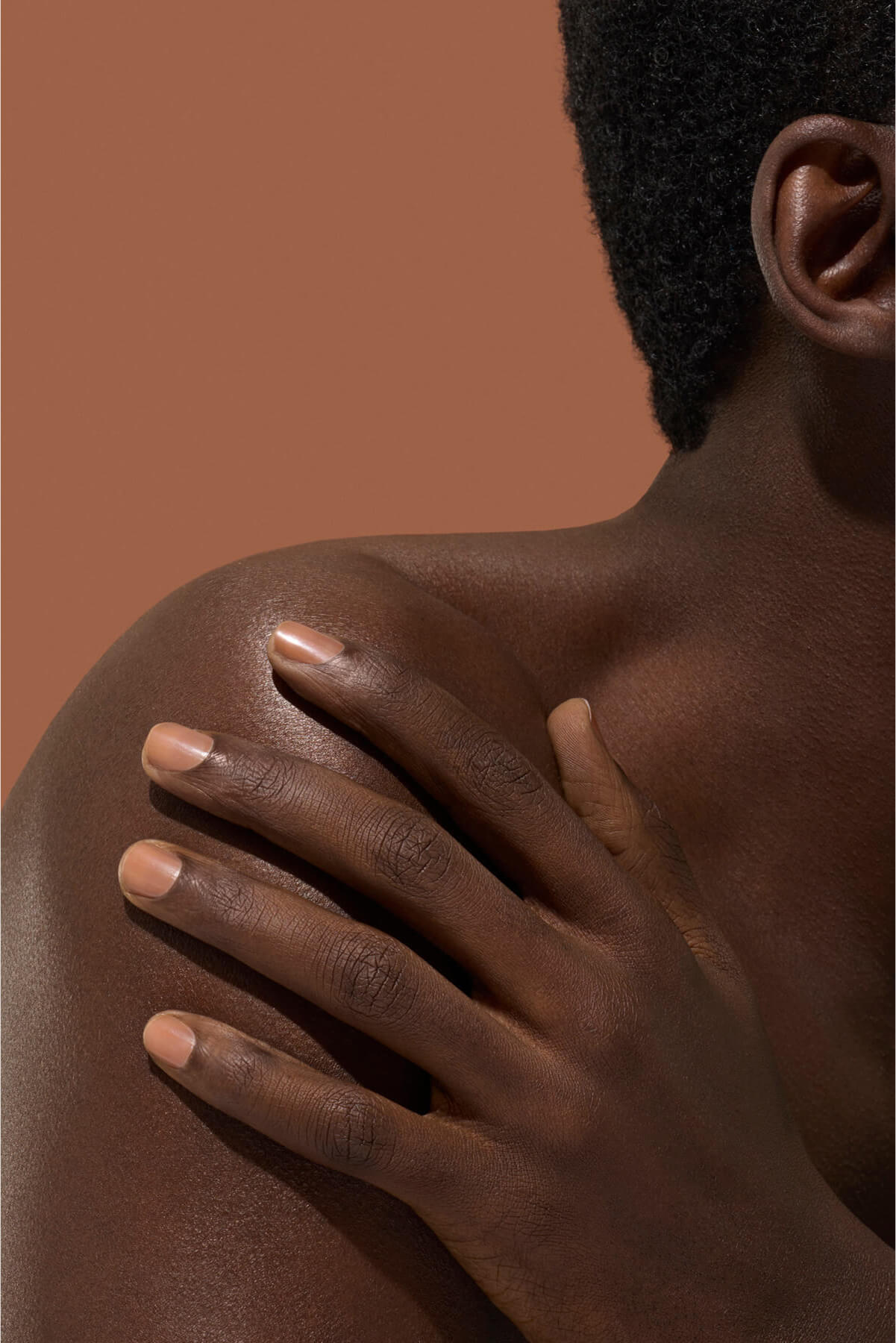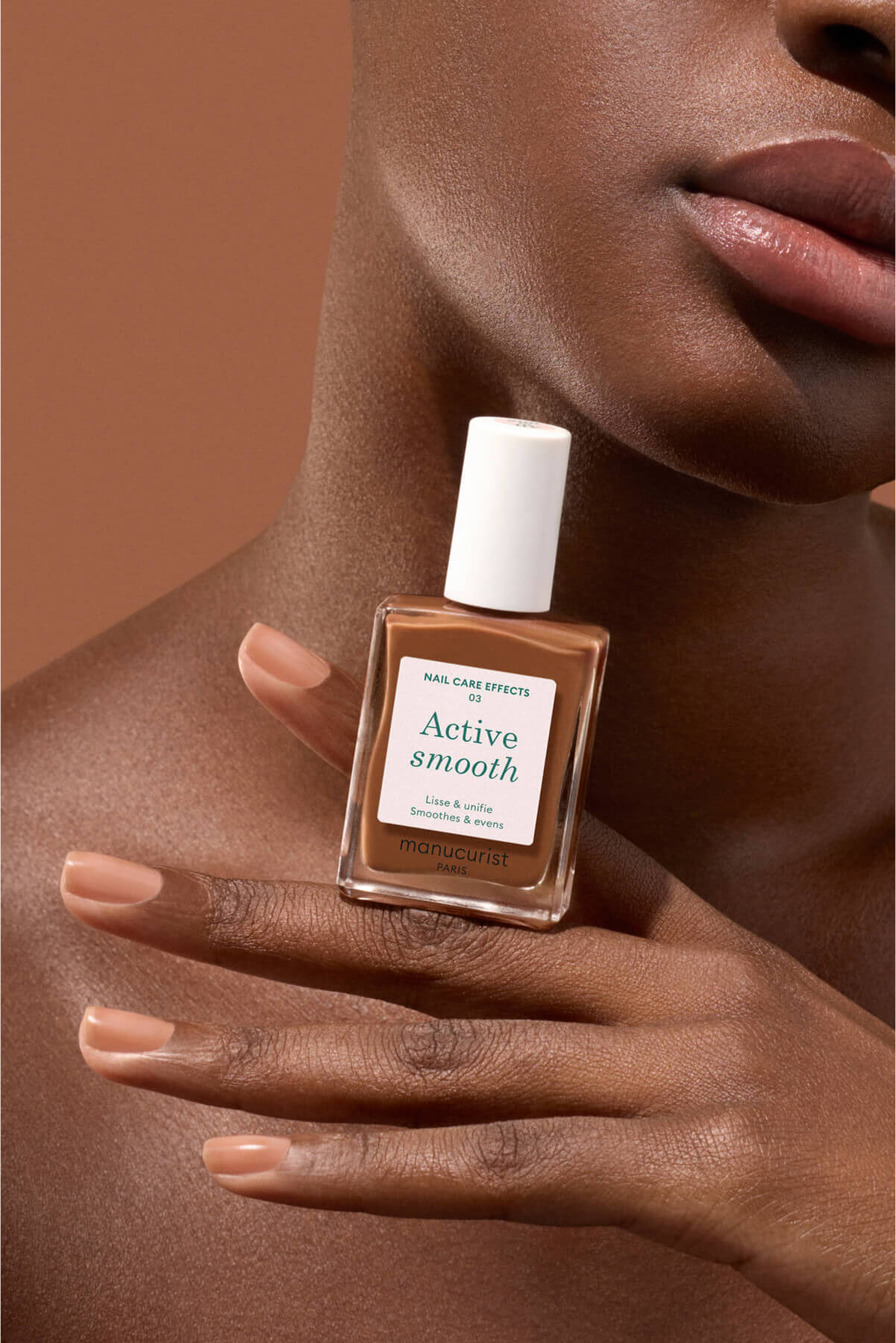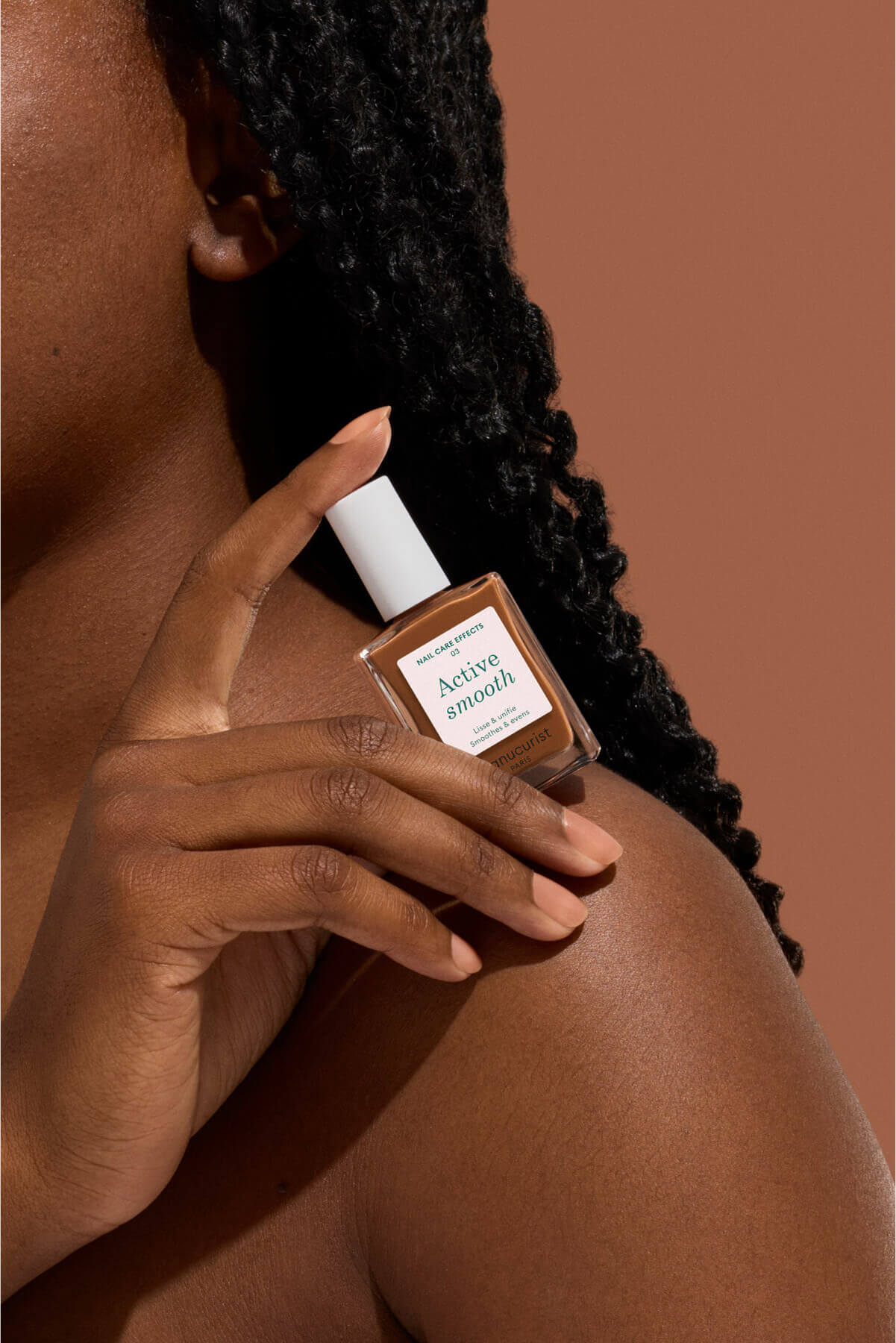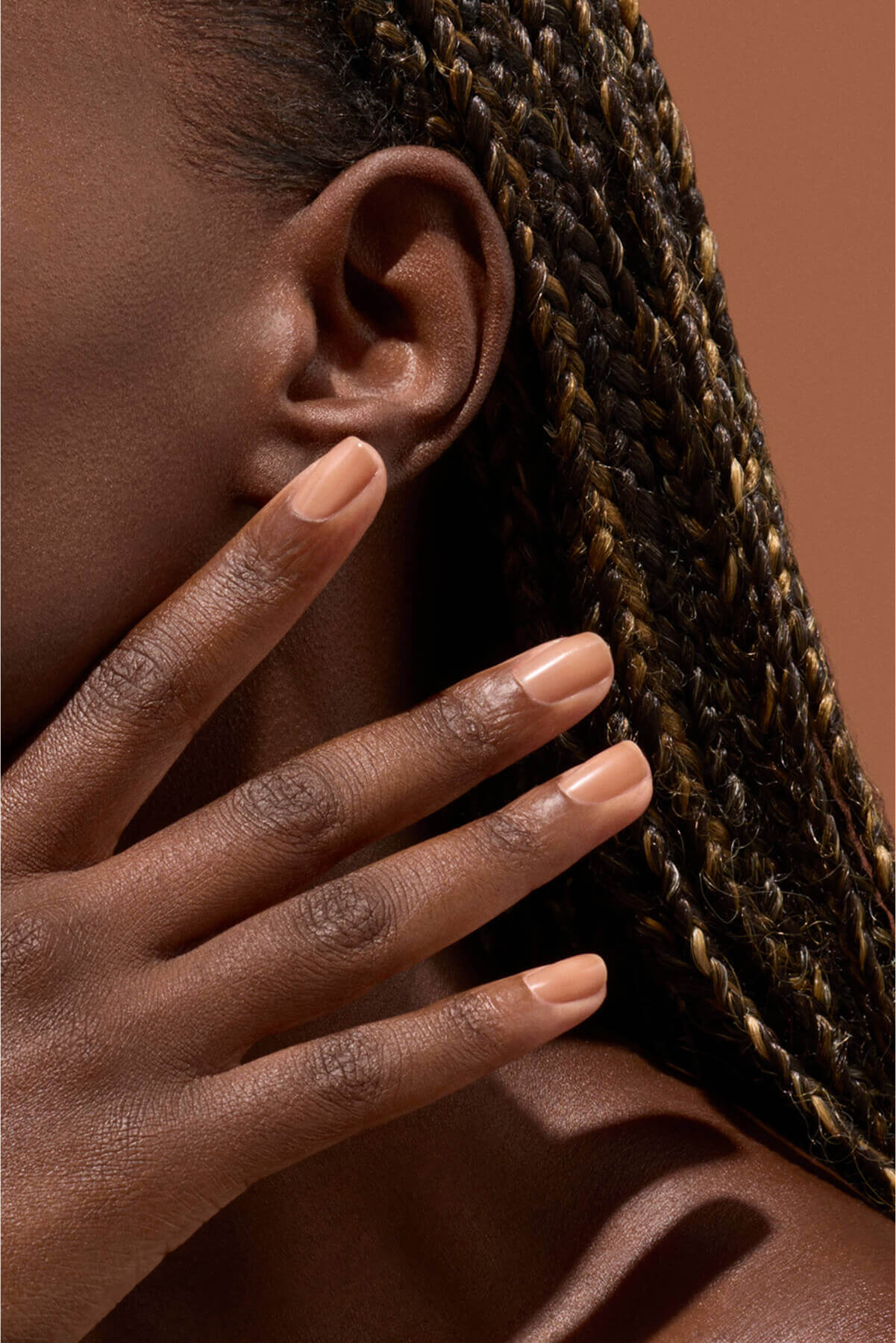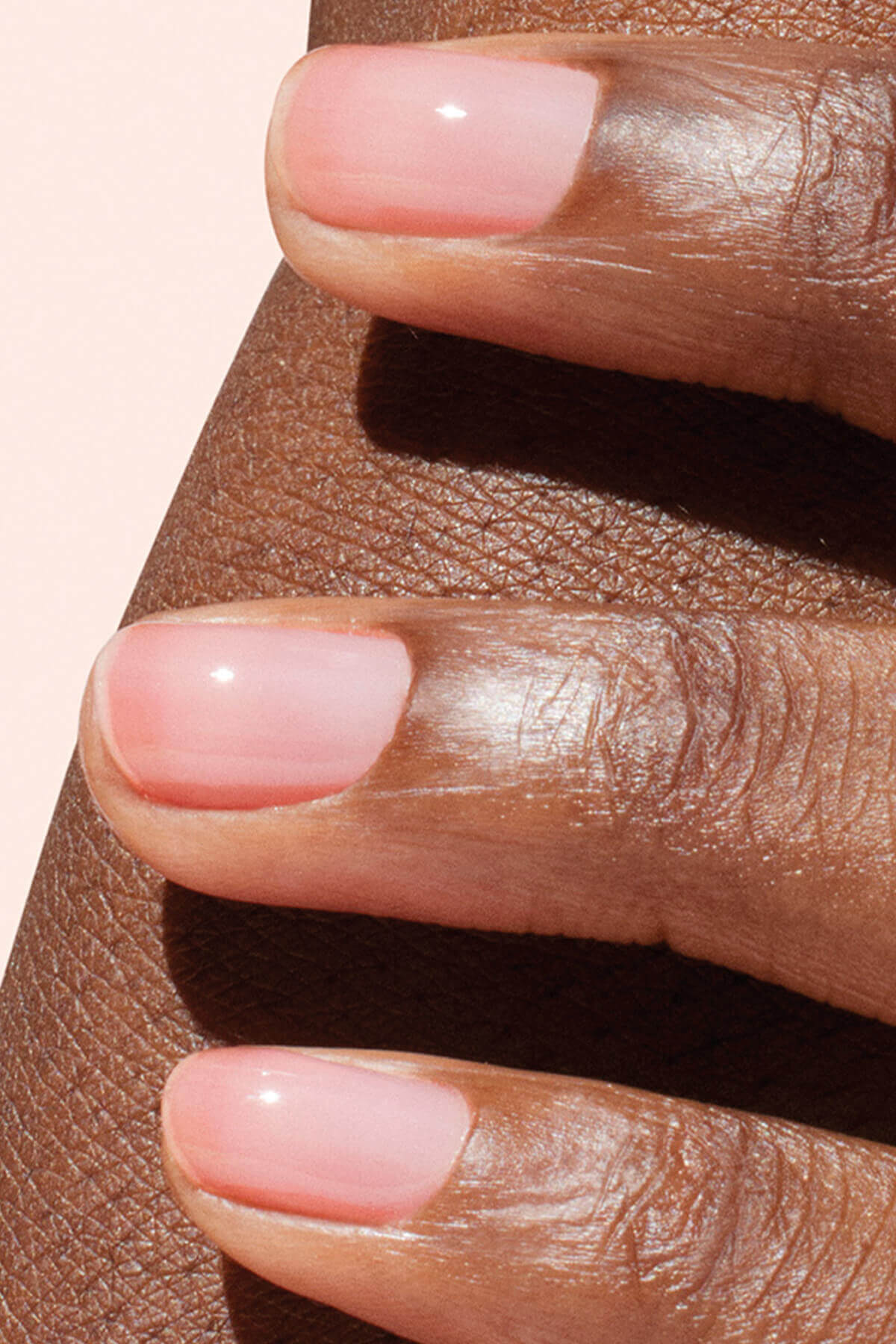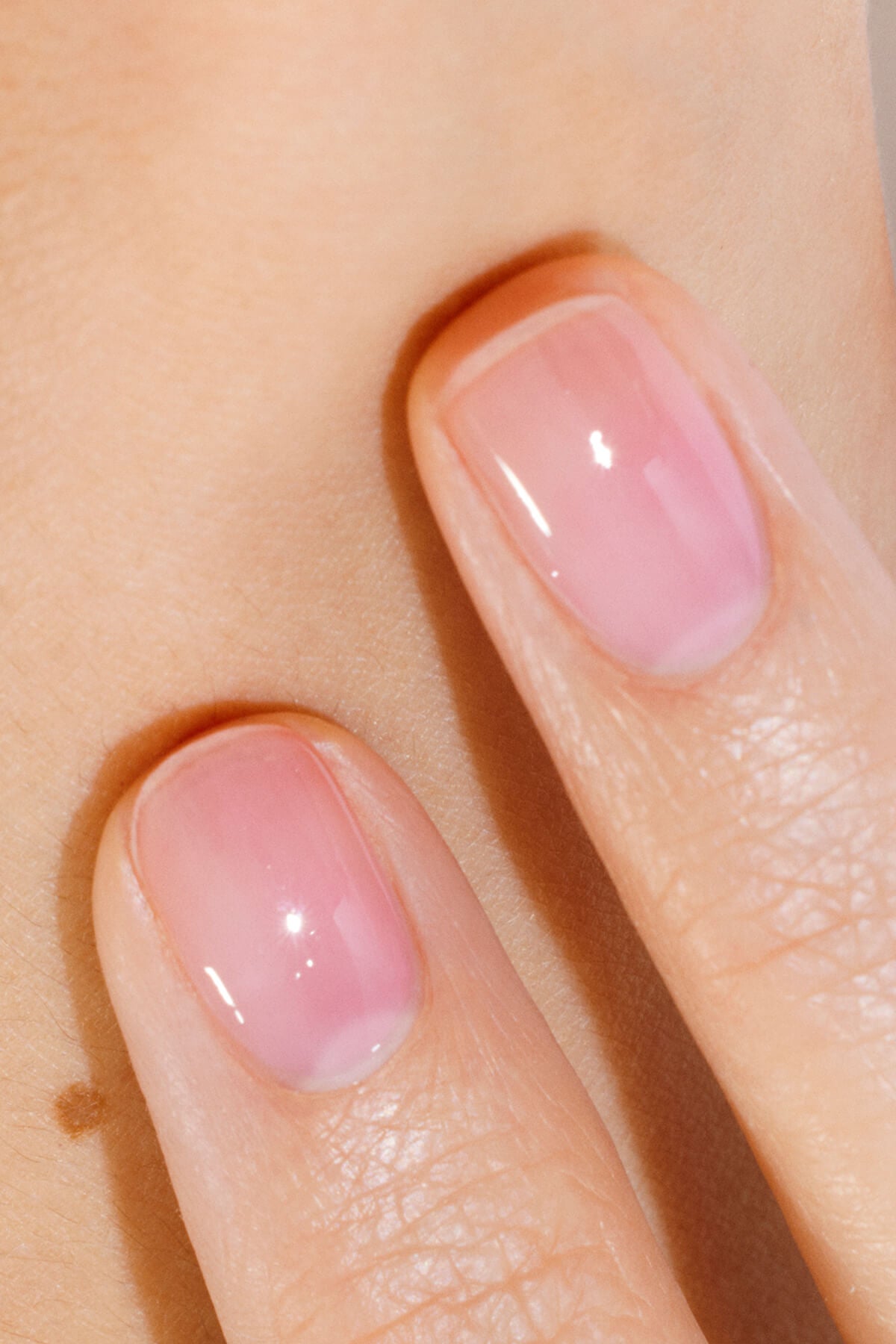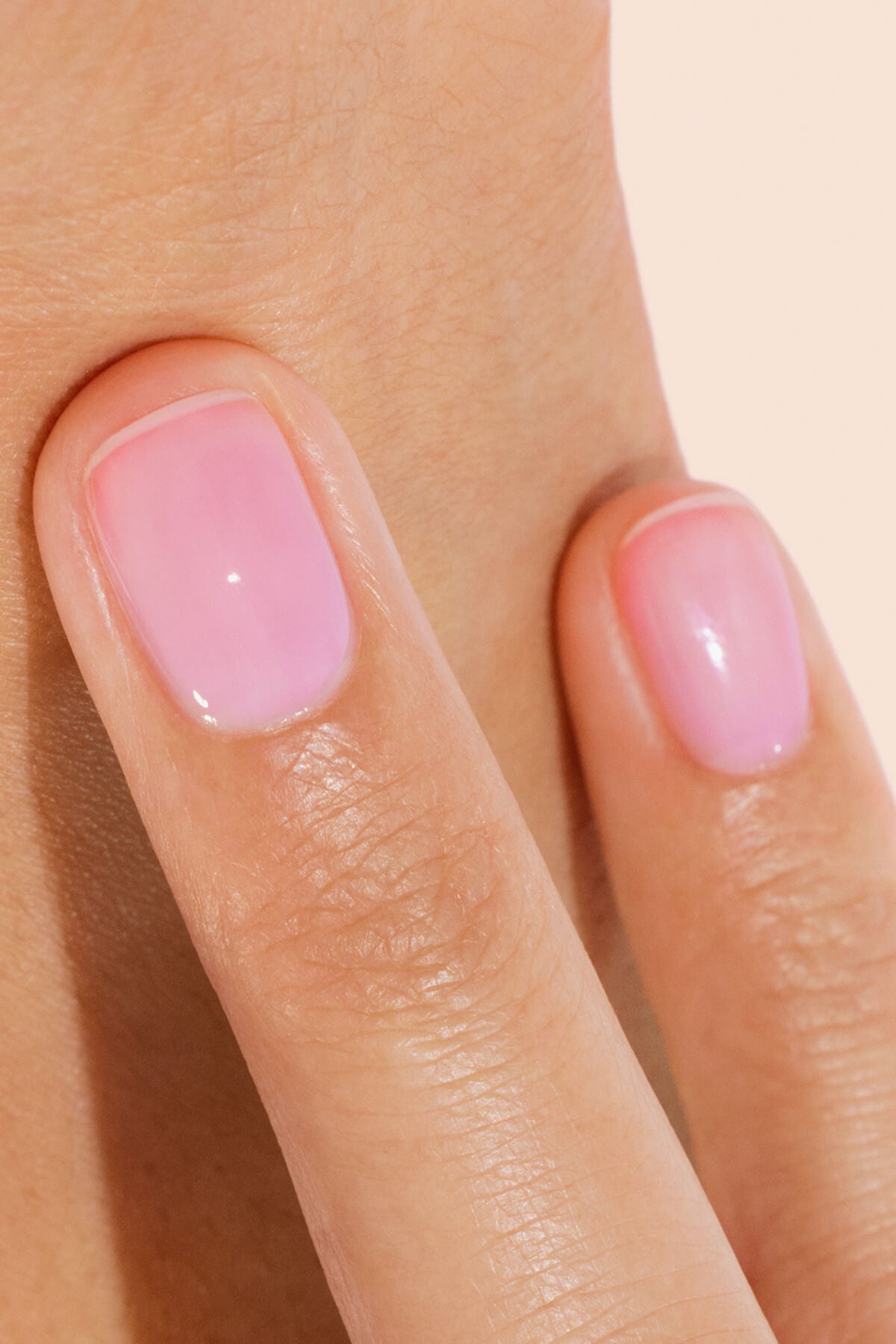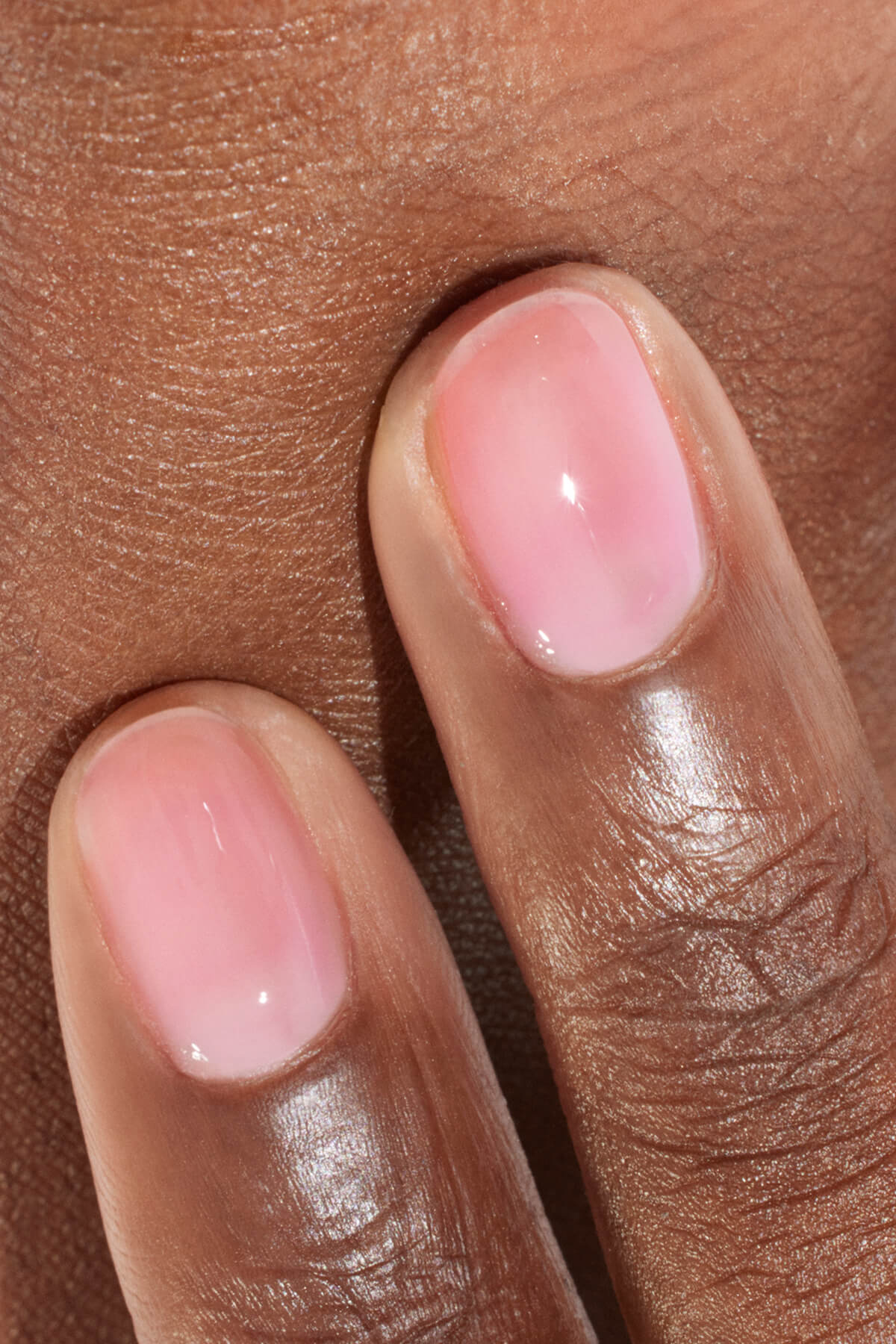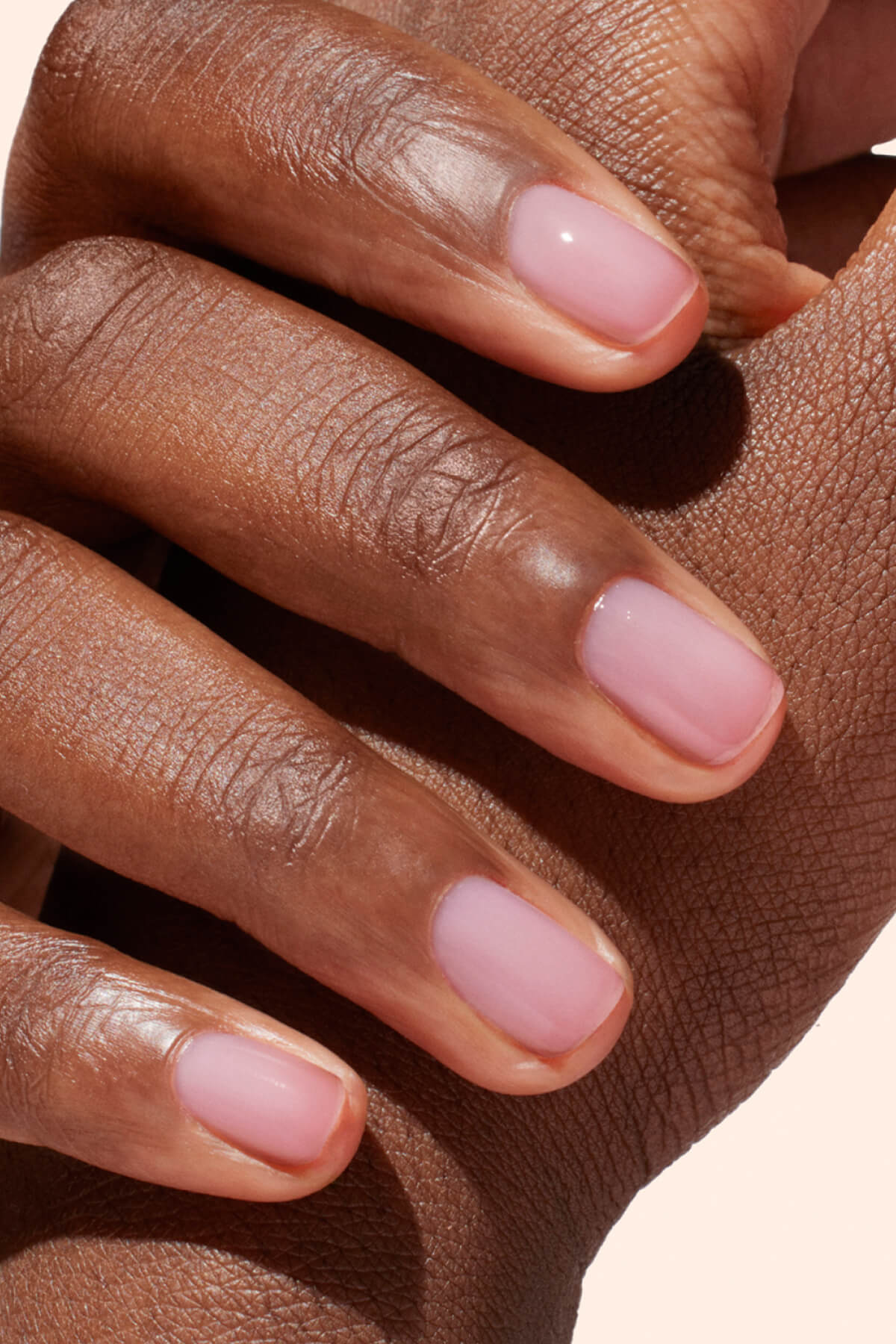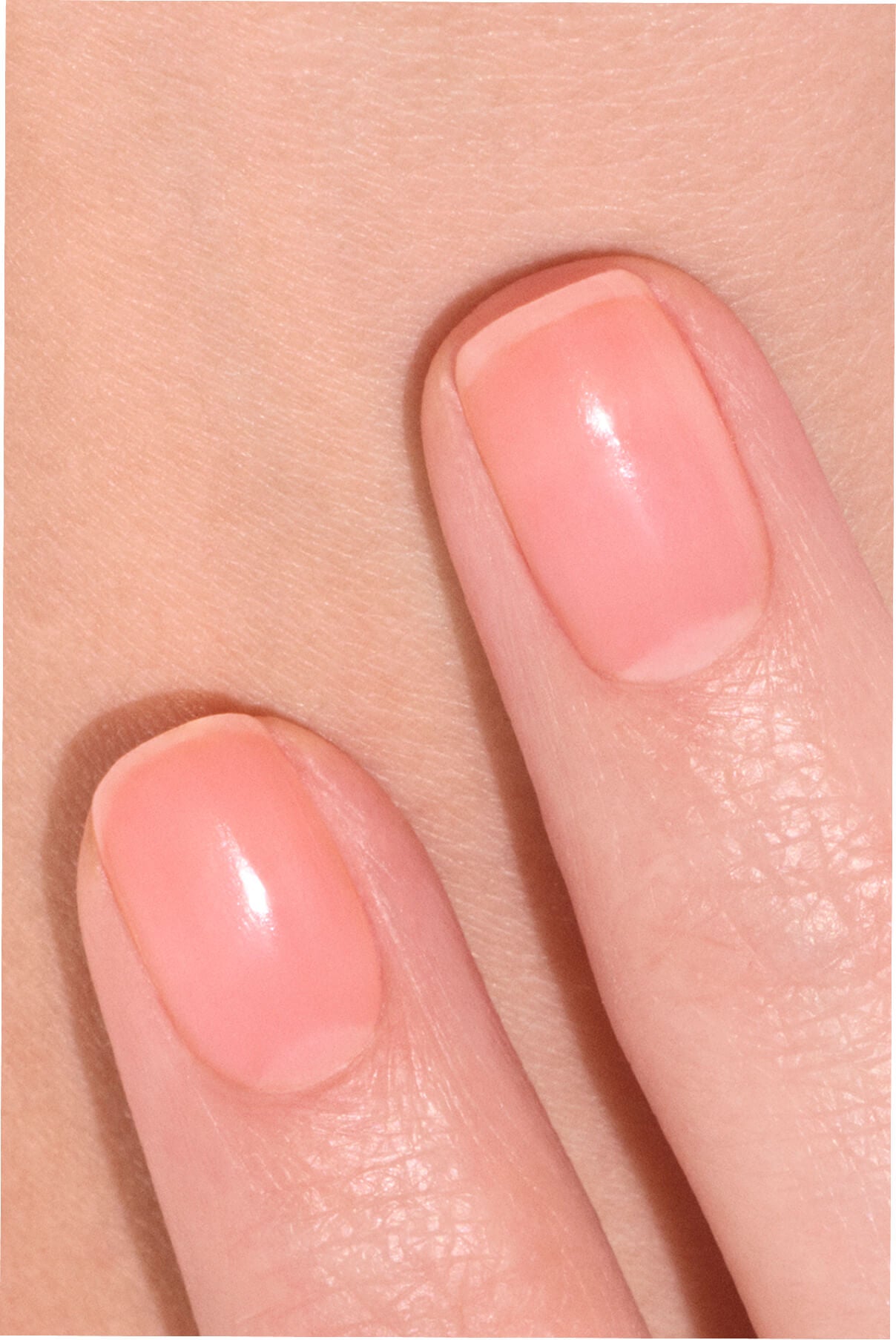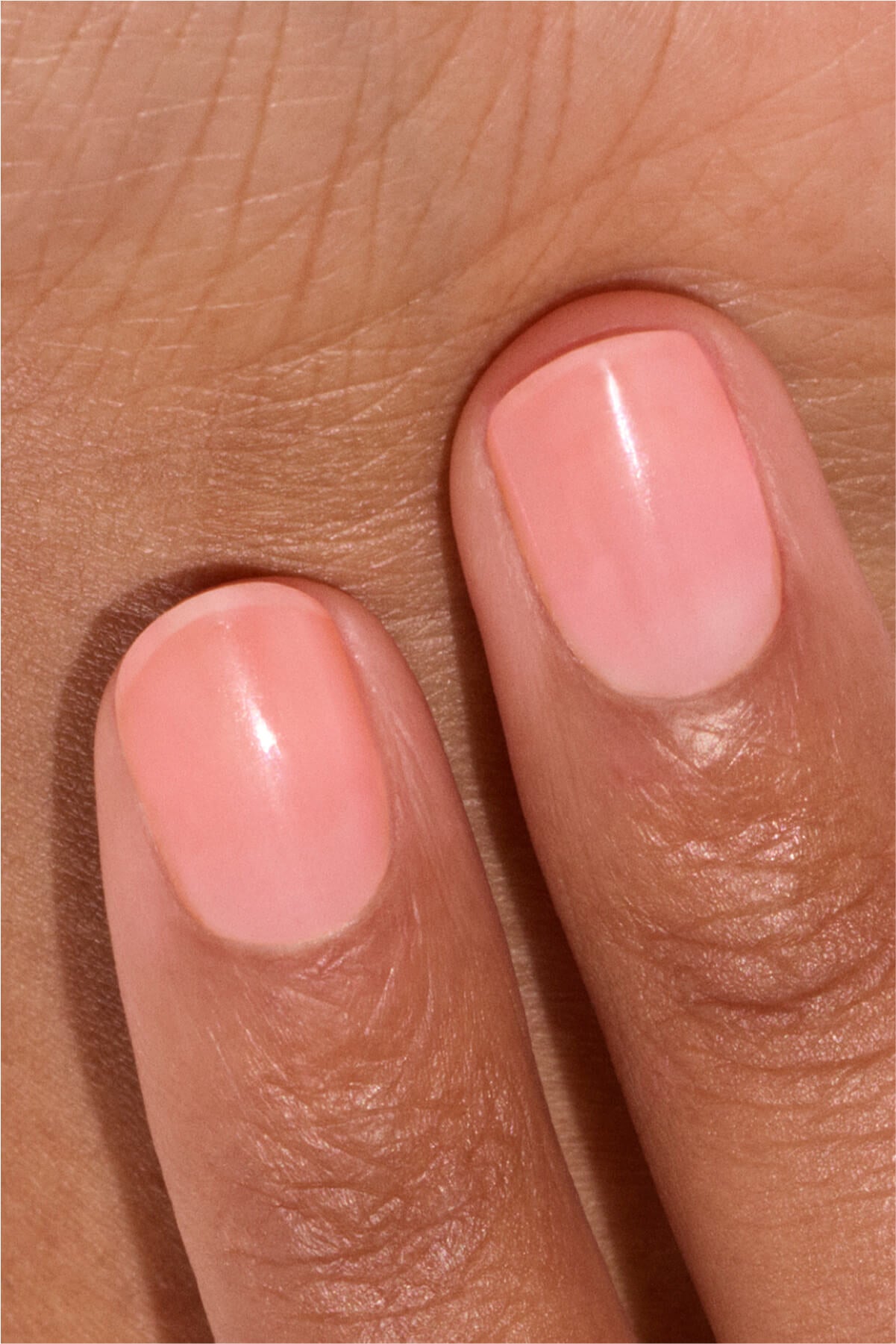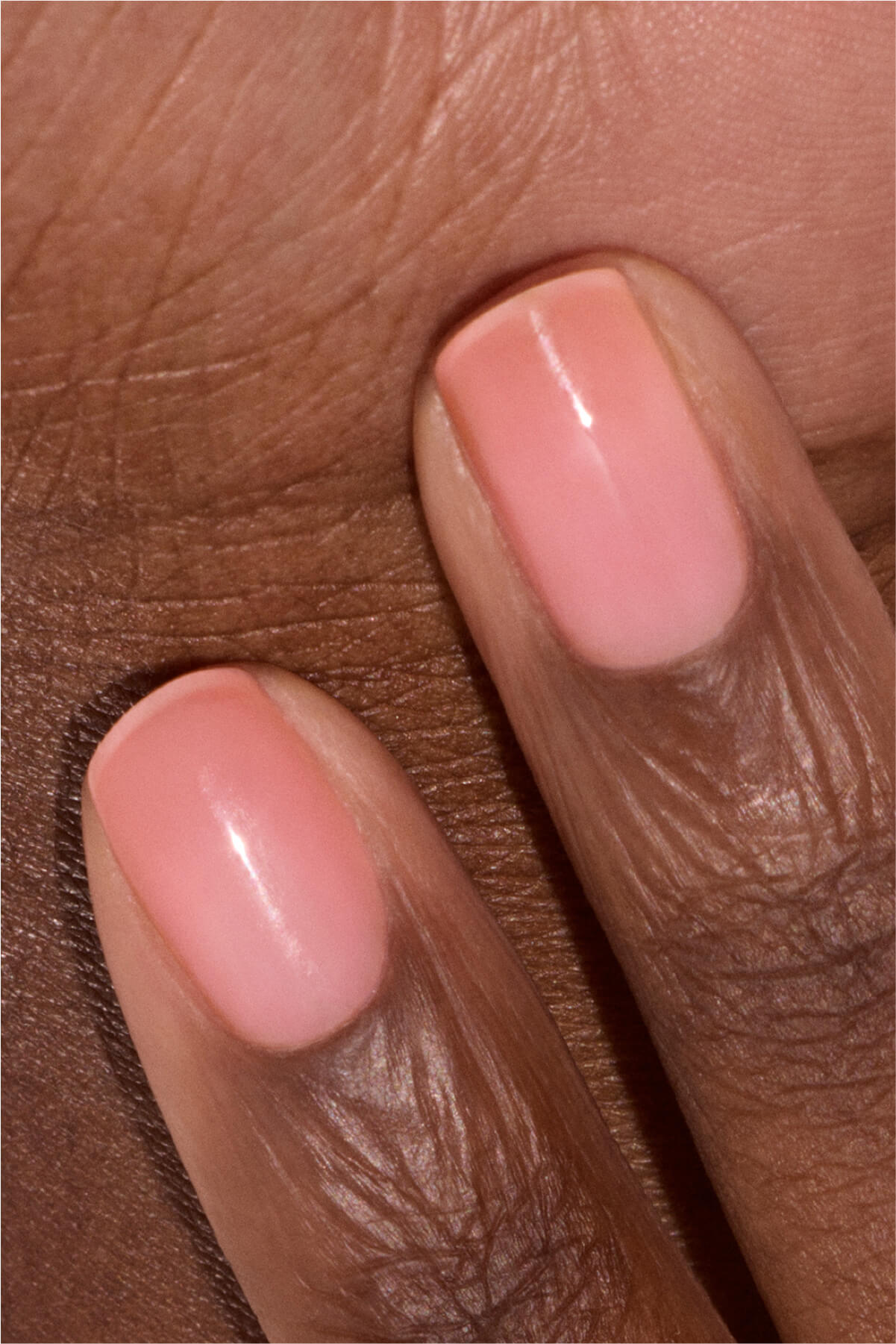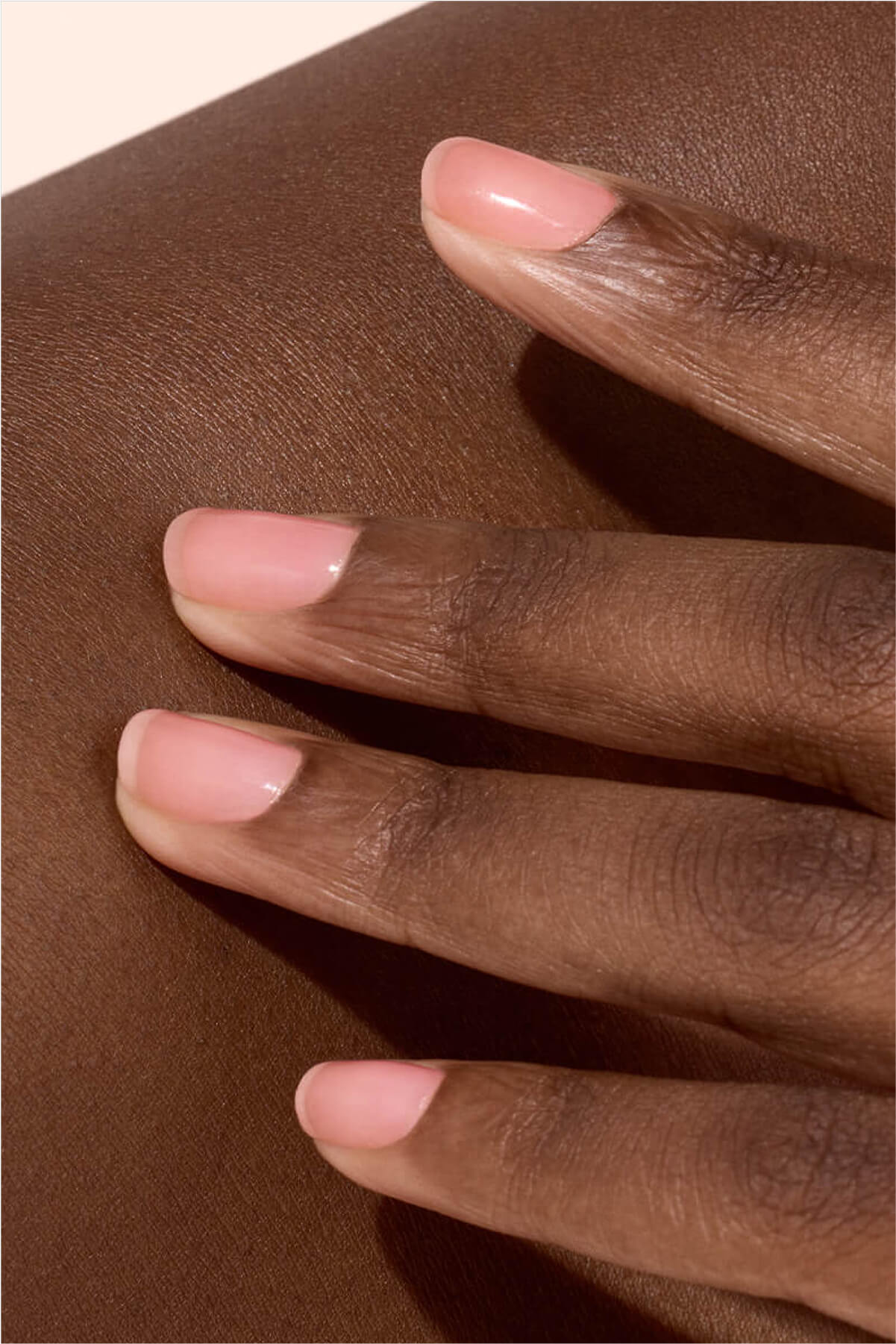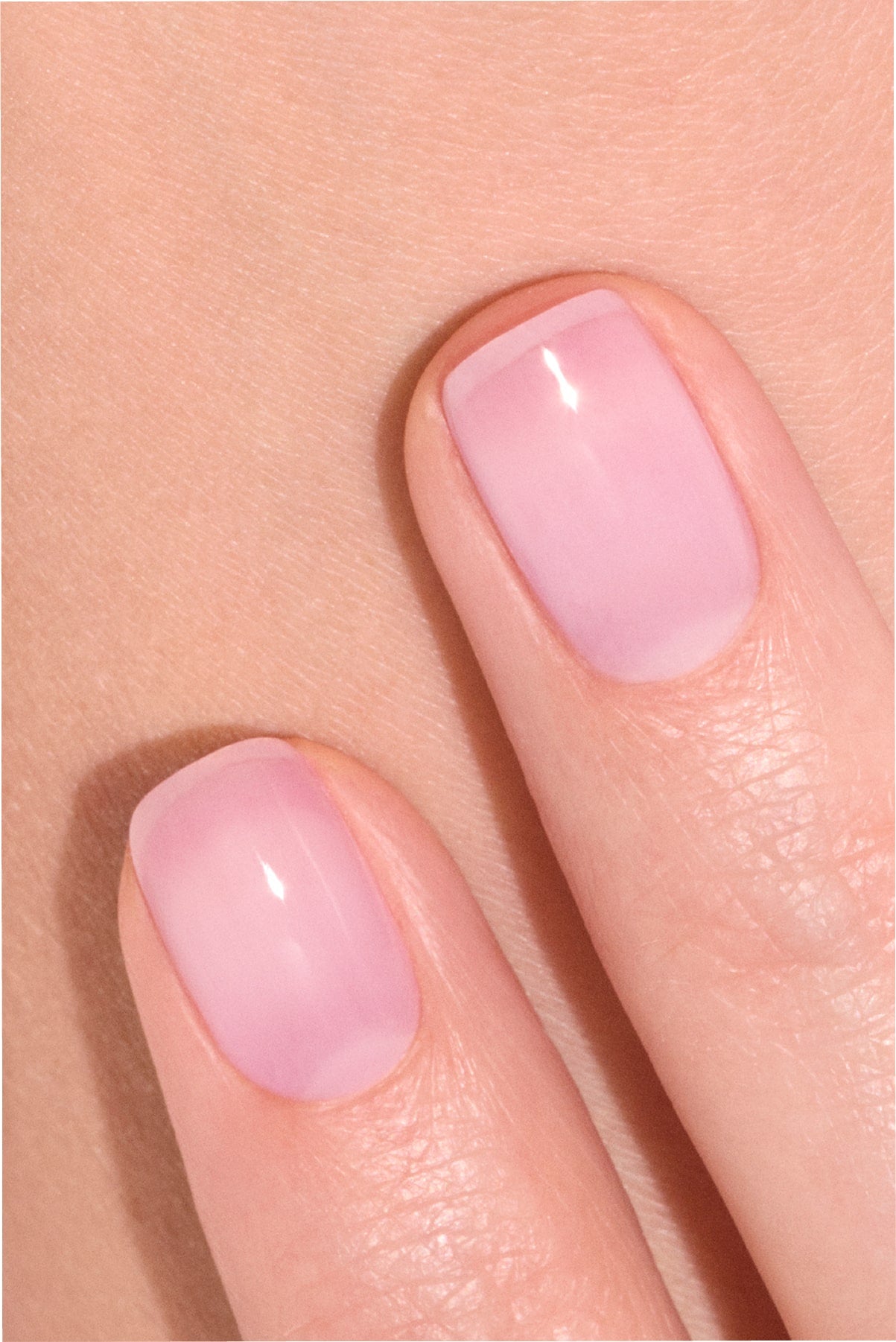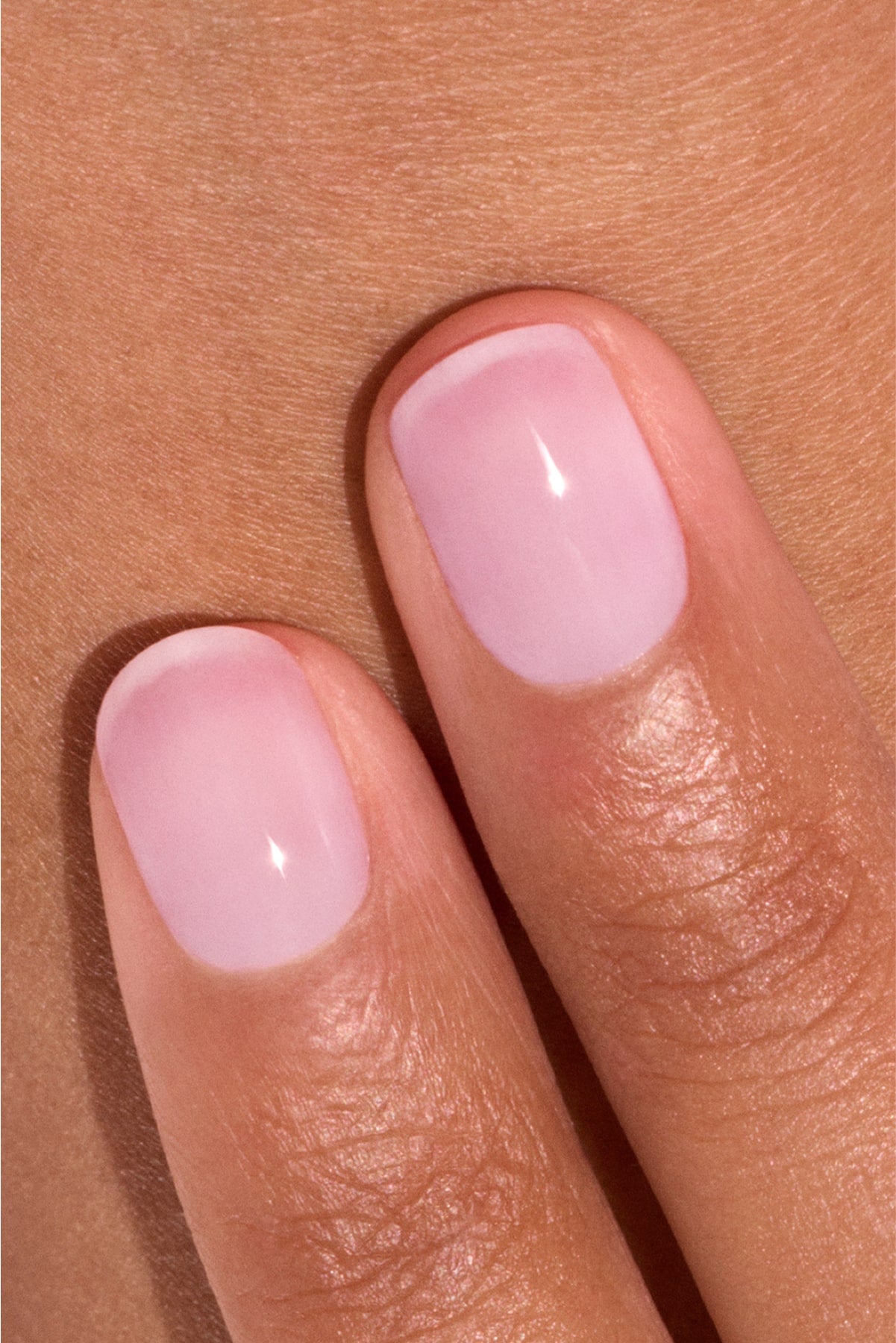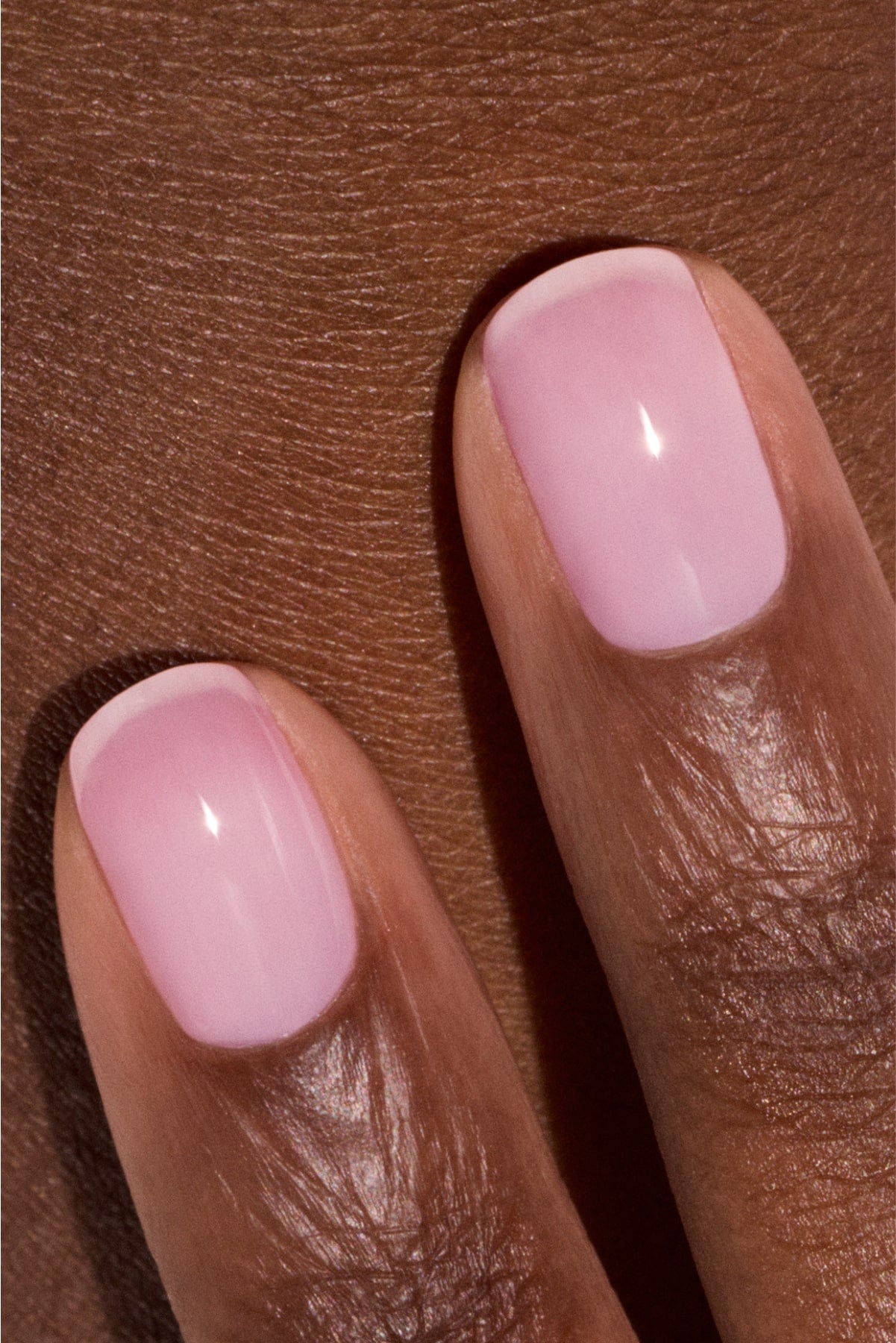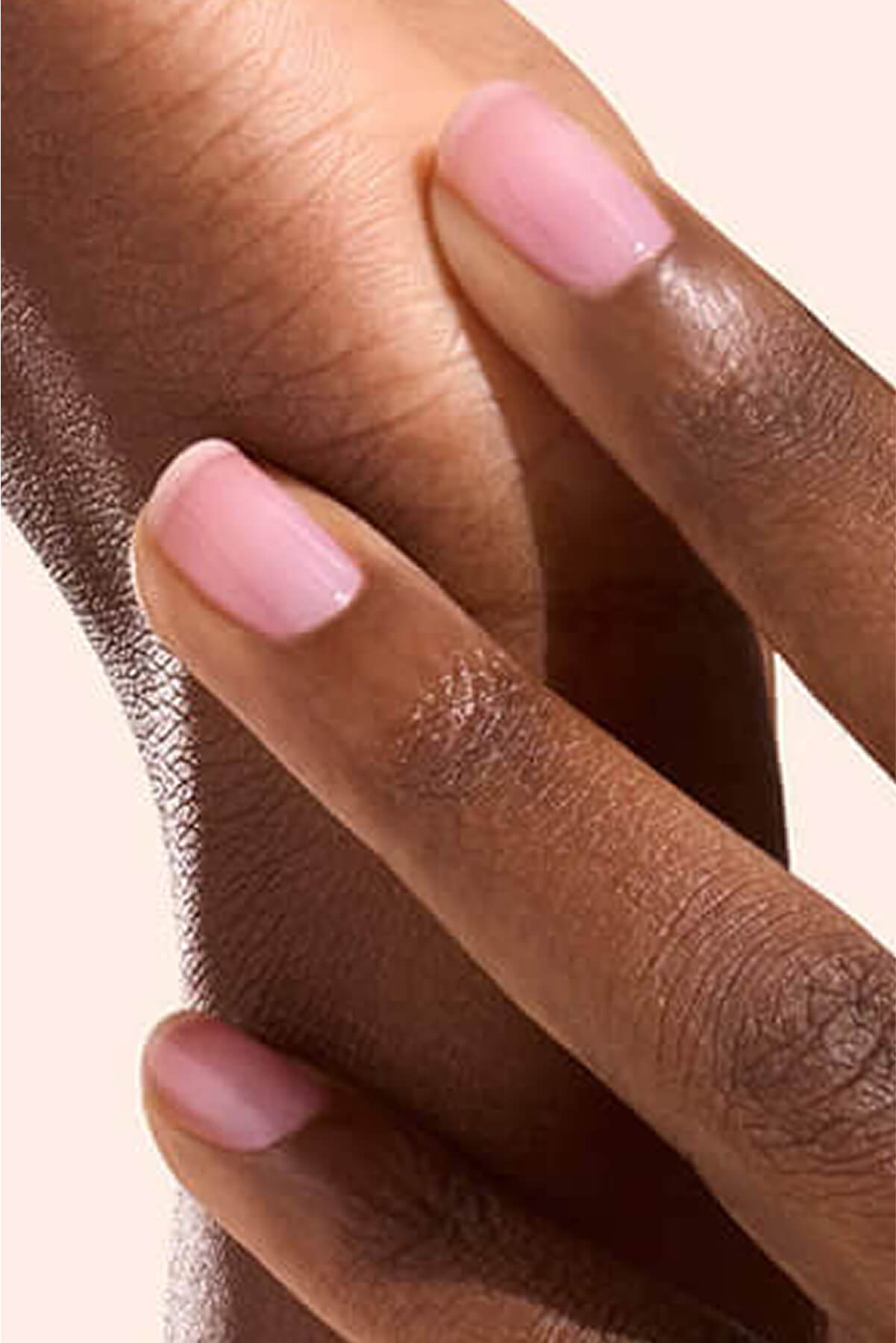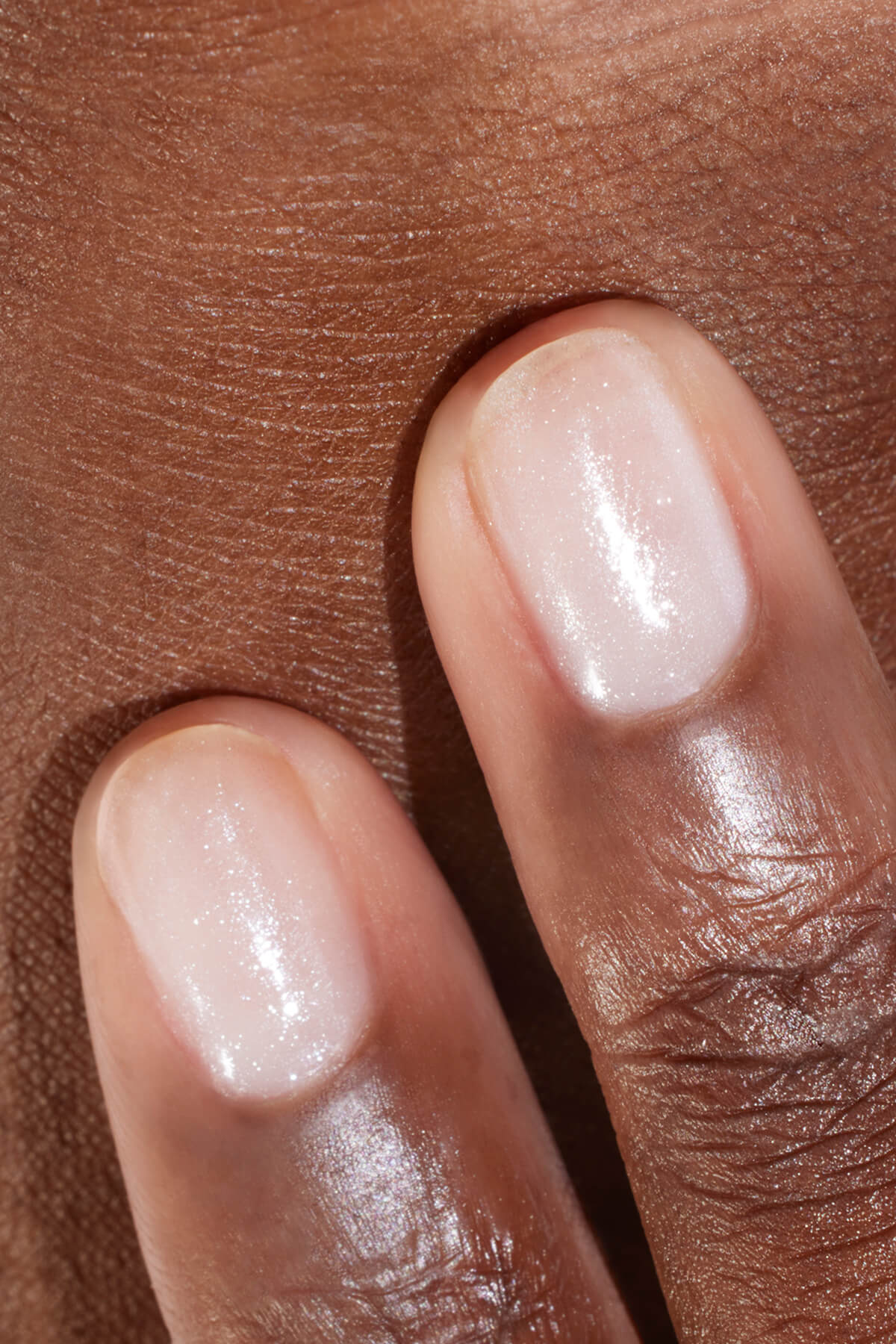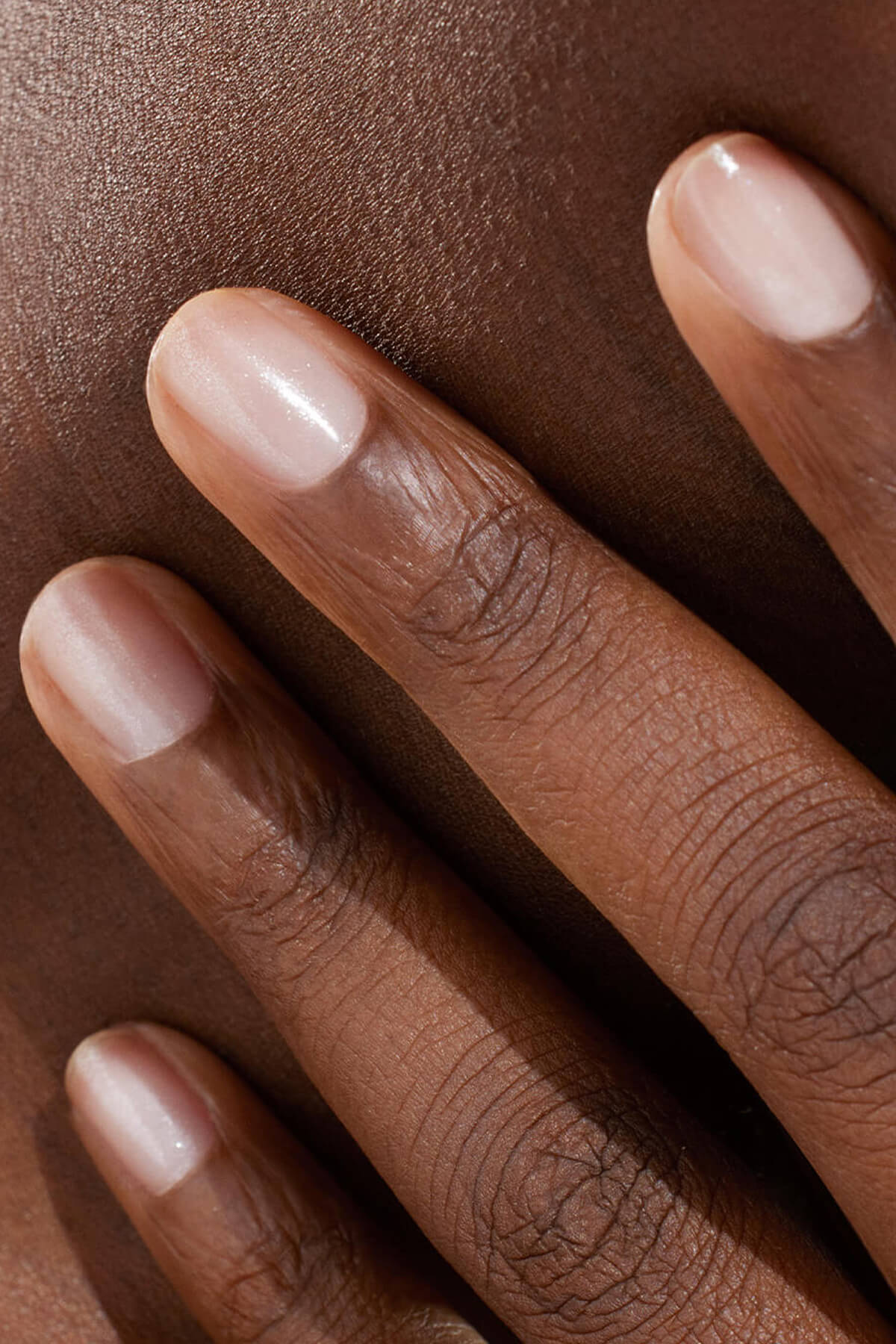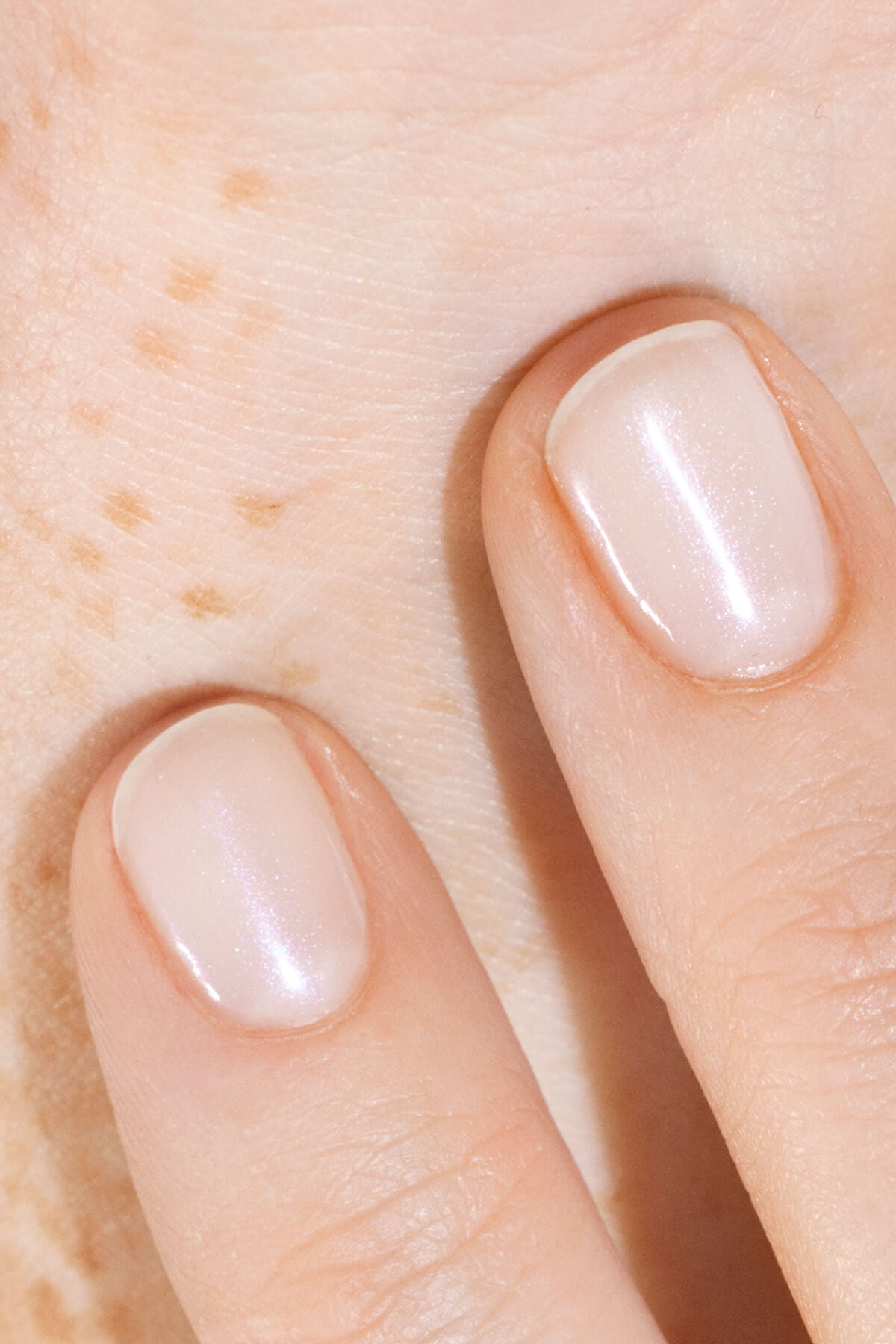

Do you really know what your nails are made of and how they work? A visual breakdown to become an expert on the subject, discover the essential role of the nail matrix, and learn how to care for your nails to keep them healthy.
Understanding the Nail Matrix
The Seat of Nail Growth
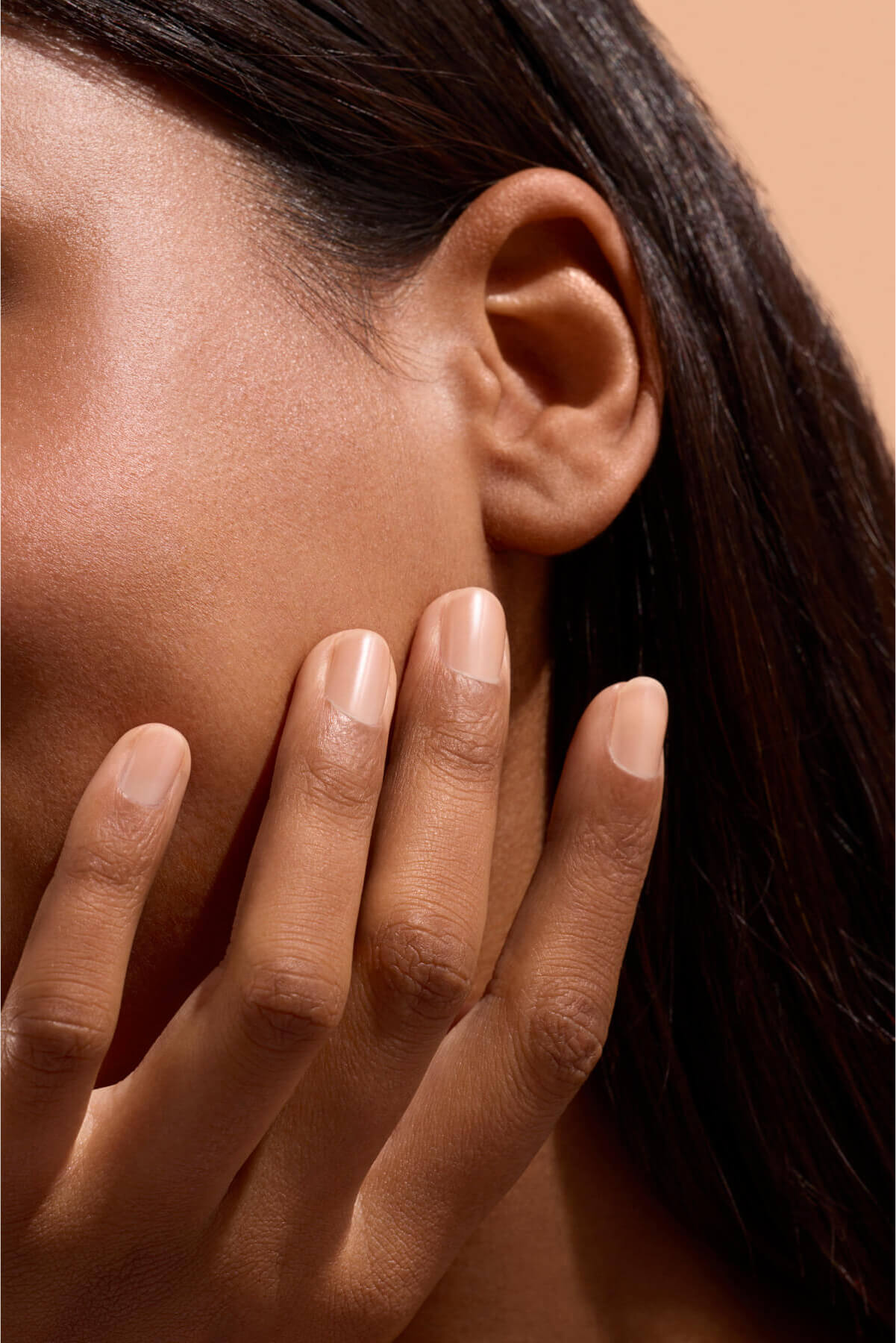
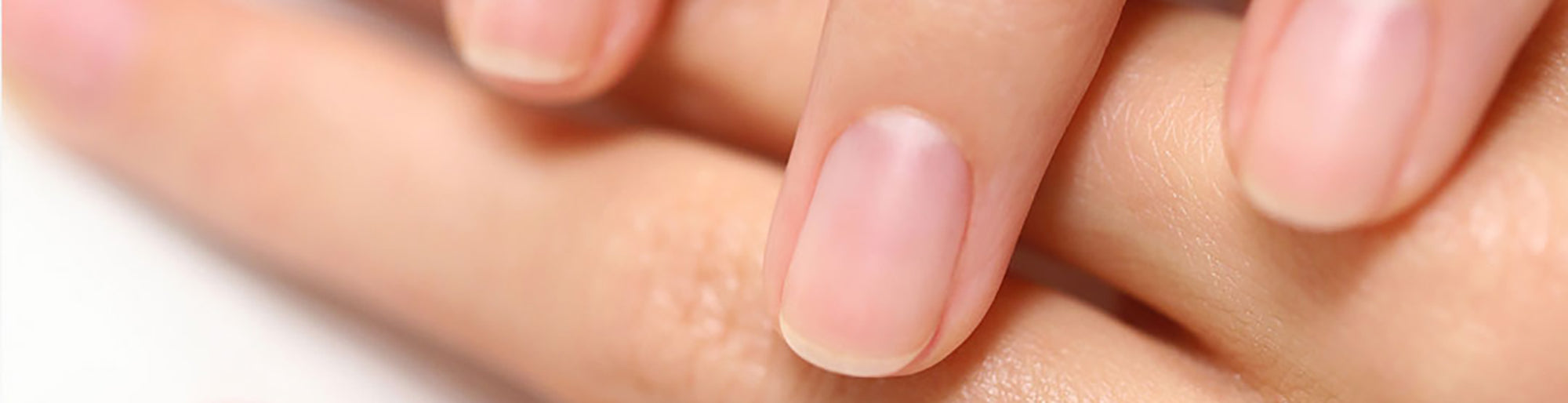
On the surface, the nail consists of a rigid layer of keratin and mineral salts like calcium, sodium, magnesium, etc. This rigid keratin plate, also called the nail plate, rests on very thin skin called the nail bed which firmly holds the plate and ensures its adhesion.
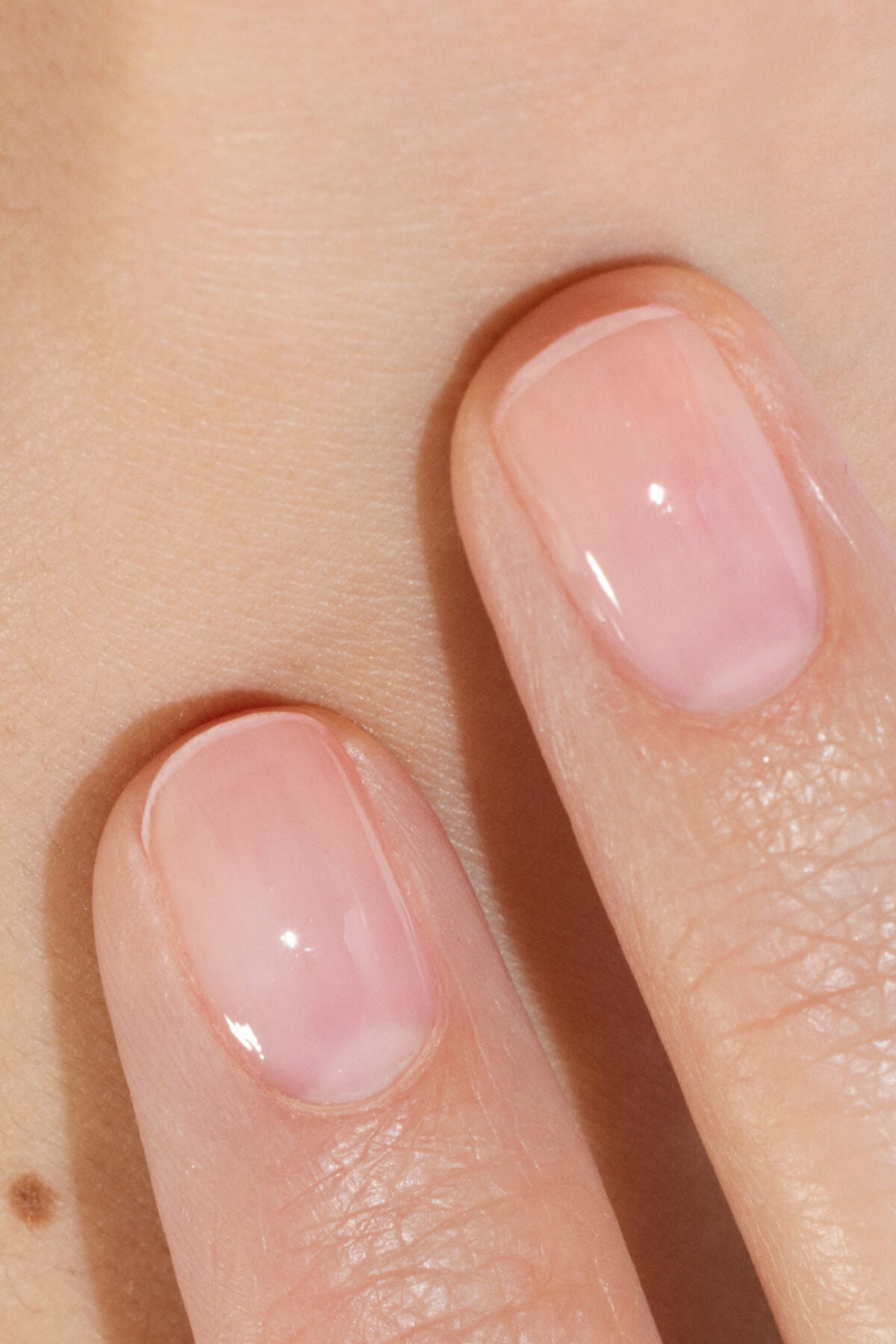
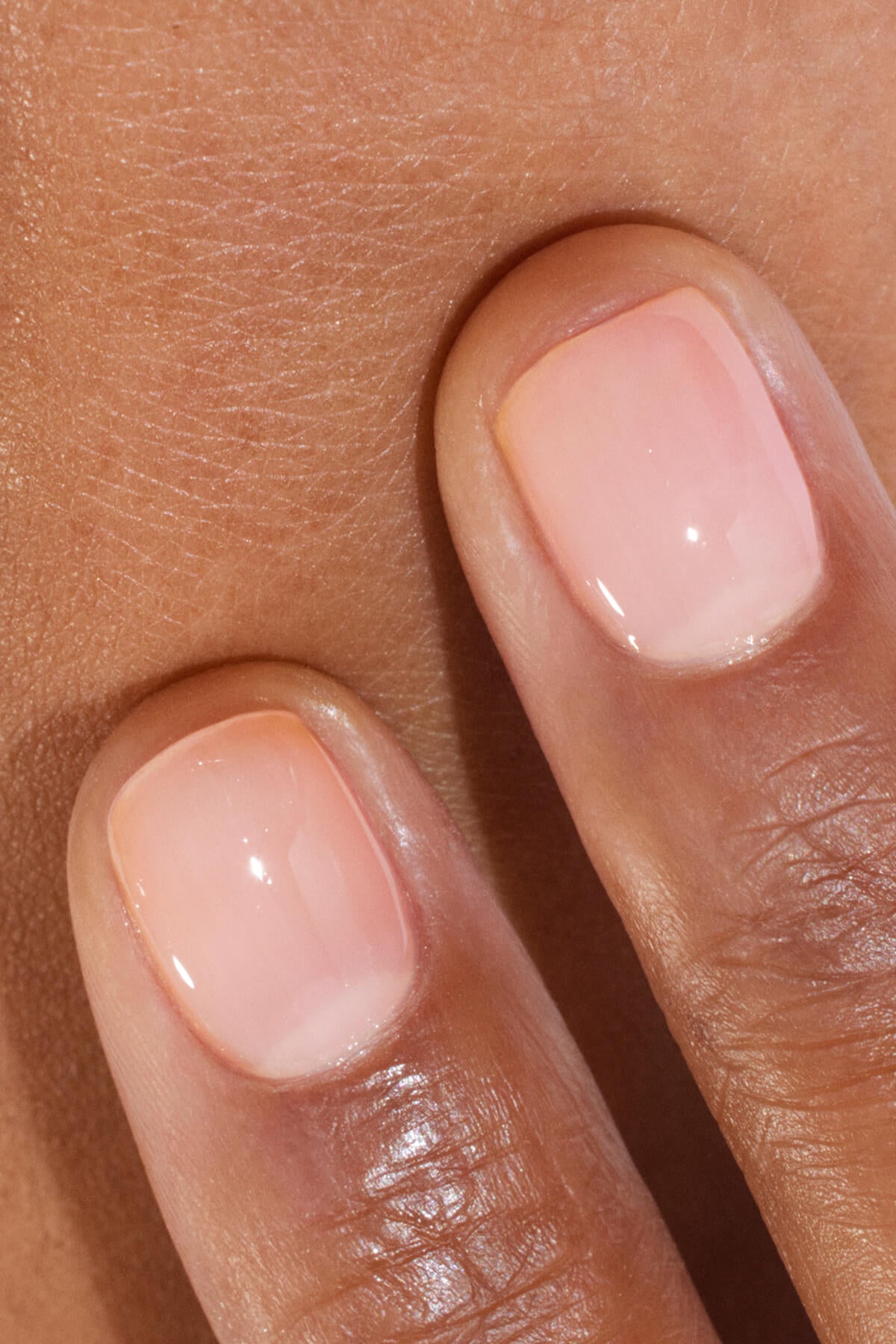
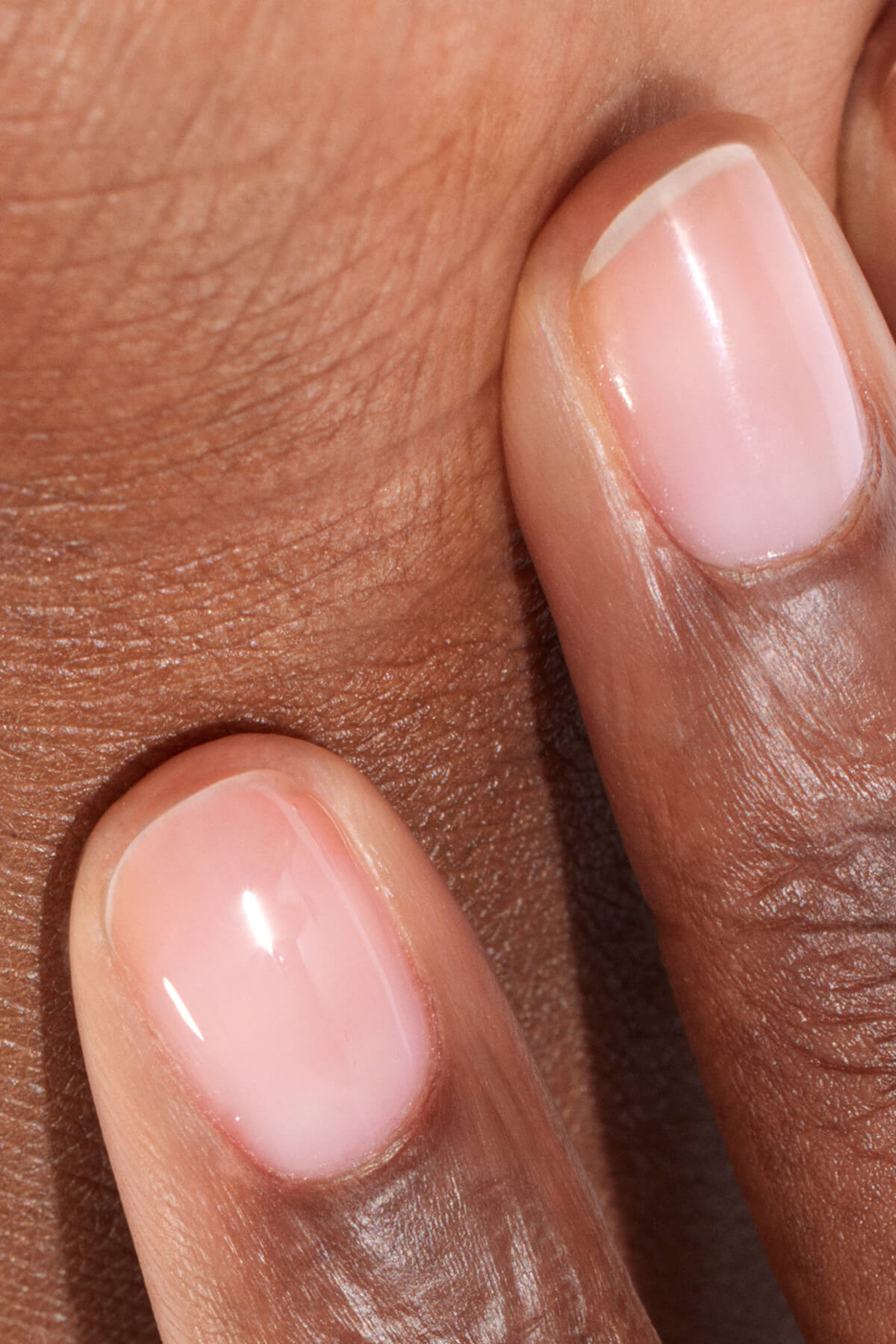
At the base of the nail, protected under the epidermis, lies the nail matrix. It is partly visible through transparency, shaped like a small white crescent, called the lunula. It is within the matrix that cells multiply and become loaded with keratin. Gradually, the keratin hardens in overlapping layers that form a solid and uniform structure.
The matrix continuously produces keratin, allowing nails to grow 3 to 5 mm per month on average for fingernails and about 1 mm per month for toenails. It takes about 4 to 6 months for a fingernail to fully renew.
Small skins at the base of the nails, called cuticles, protect the matrix. They form a watertight barrier at the junction of the keratin plate, preventing water and potential bacteria from entering.
The Nail Structure in Images

Matrix: part located at the base of the nail responsible for keratin production and nail growth.
Cuticle: small skin covering the base of the plate, ensuring sealing and protection of the matrix.
Lunula: pale, crescent-shaped part at the base of the nail.
Nail bed or ungual bed: very thin skin ensuring adhesion of the keratin plates that protect it.
As you can see, nails are living, fragile, and complex in their anatomical structure. Each element of this system has a role to play and specific needs to stay healthy.
Protecting and Nourishing the Nail Matrix
The proper functioning of our nail matrix and, consequently, the quality of our keratin is closely linked to our diet. Healthy nails start with a balanced diet and sufficient intake of vitamins, amino acids, and minerals. These elements are essential to ensure proper nail growth.
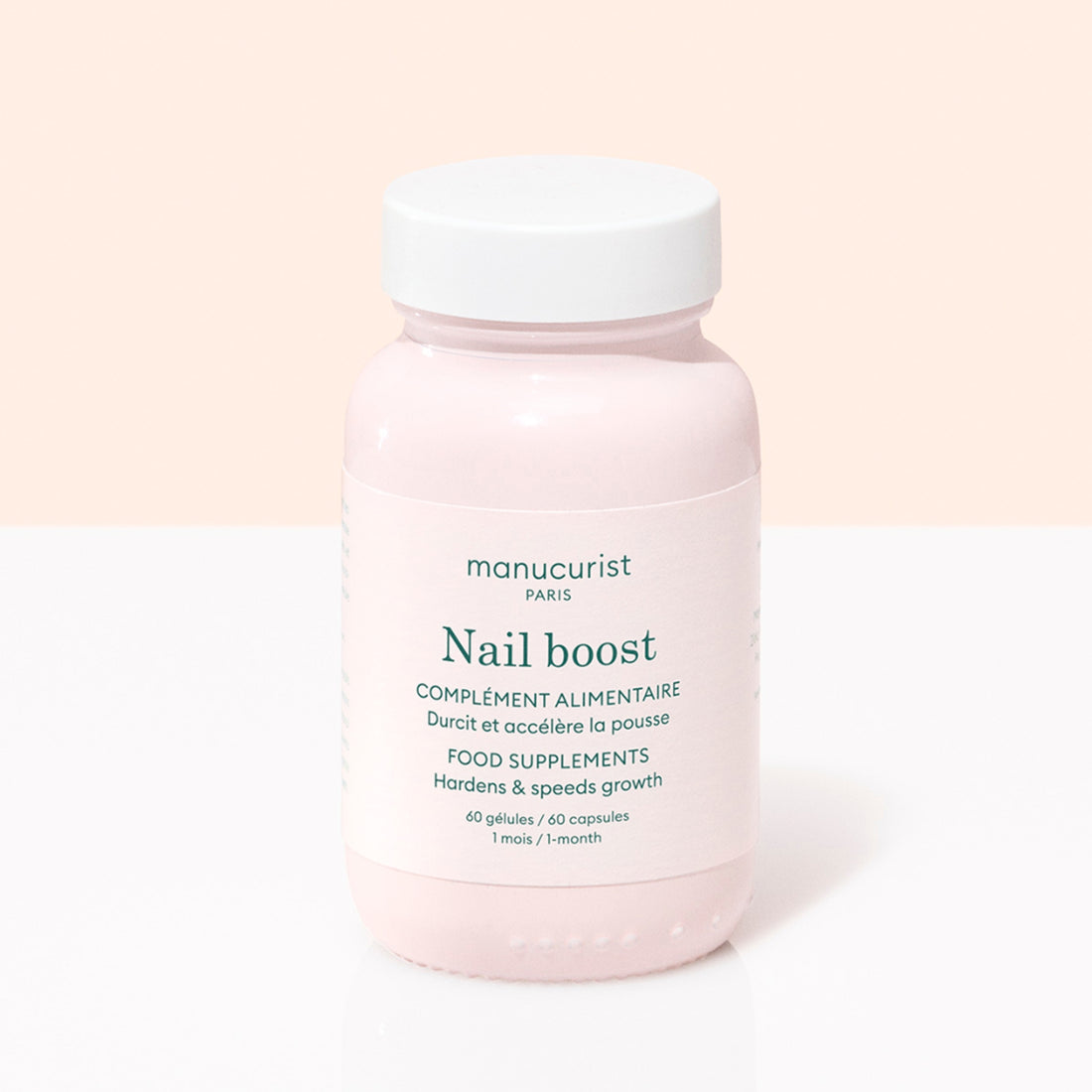
To prevent deficiencies, especially in biotin (or vitamin B8), essential for keratin synthesis, a course of Nail Boost dietary supplements, concentrated in vitamins and natural active ingredients, can help revitalize your nails and boost their growth.

In intensive or preventive treatment, dietary supplements rich in biotin and other vitamins and minerals can help revitalize nails and keep them healthy.
Certain incidents (shocks, cuts, torn nails…) can damage the nail matrix to varying degrees. Specialized consultation is then necessary to receive effective care and restore it as best as possible. A damaged nail matrix can indeed affect nail growth and quality more or less permanently, causing nails to become soft, brittle, or split.
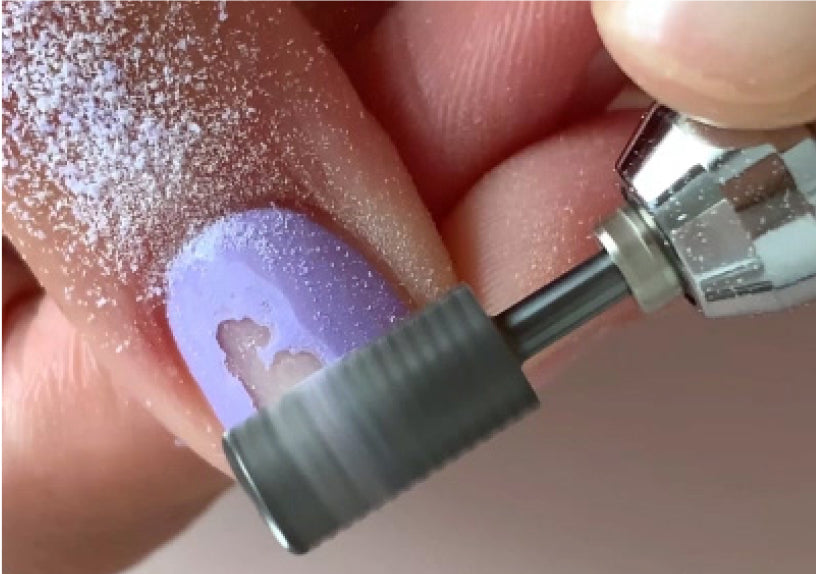
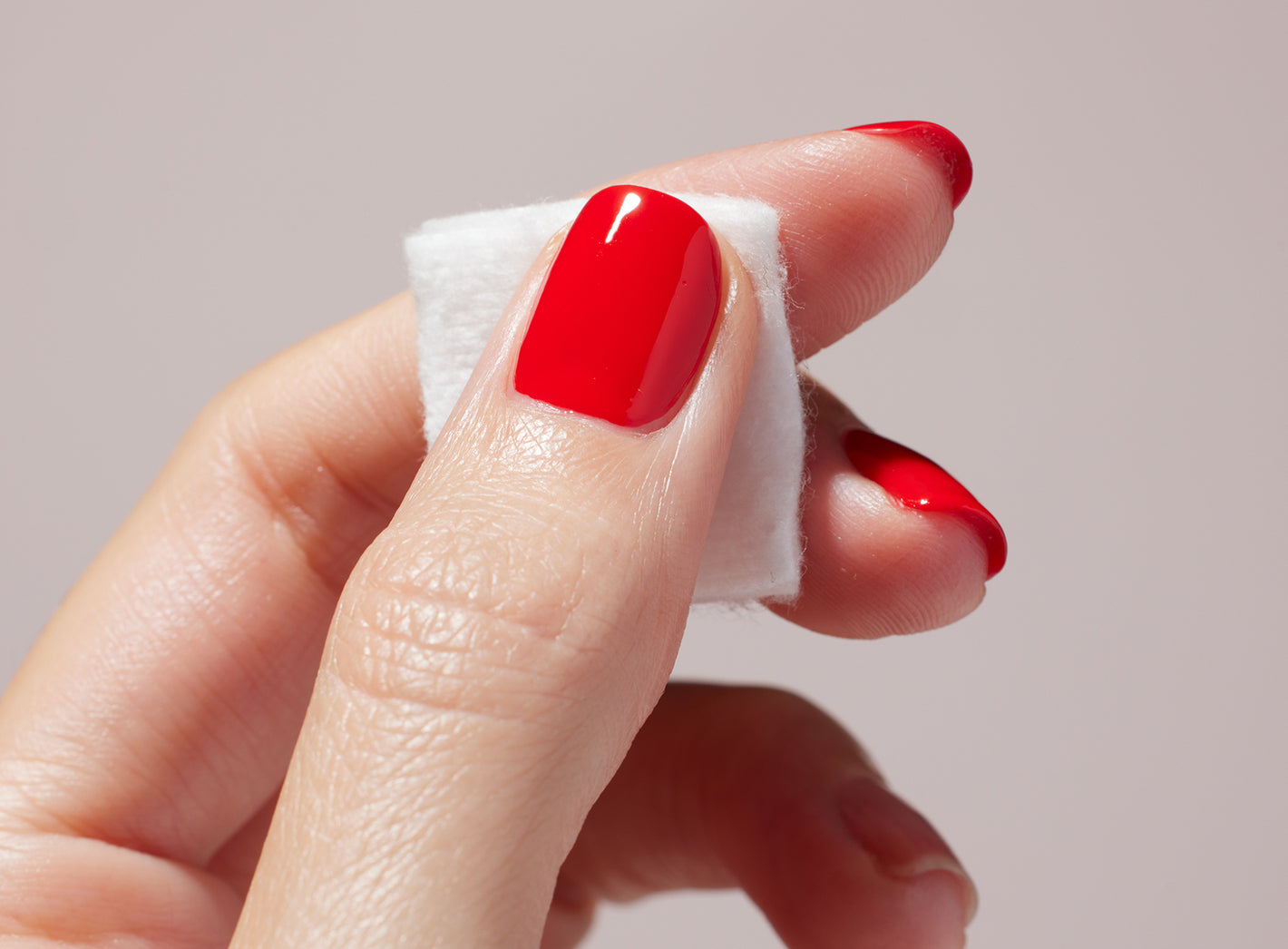
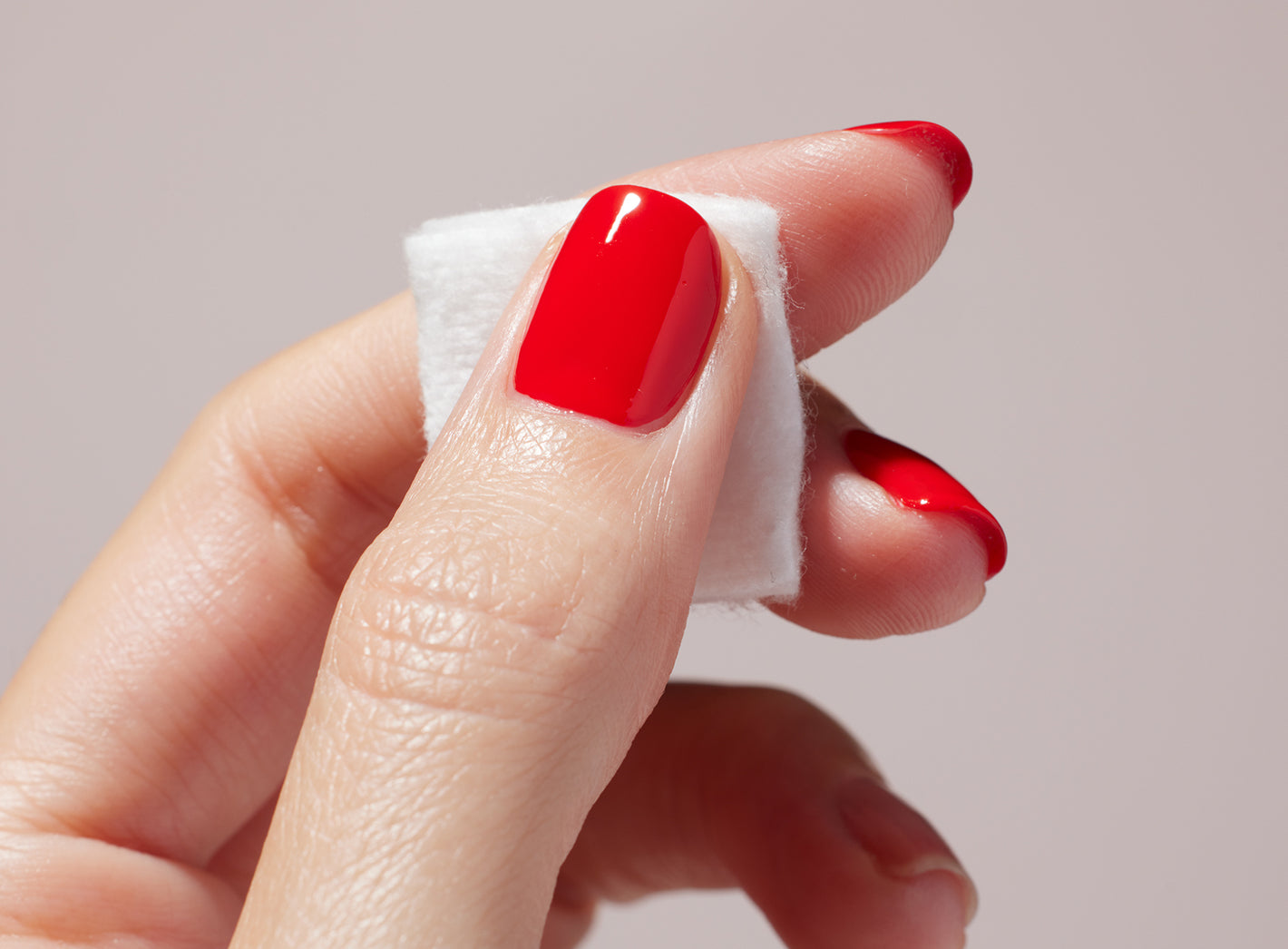
This is also why it is better to choose formulas that respect the nail: a Green Flash™ semi-permanent polish, which removes without acetone or filing, preserves the plate and limits matrix damage.
In this case, use a hardening treatment, such as Kératine Booster, to densify the plate and stimulate keratin production. Visible results appear after 5 to 7 days of treatment.

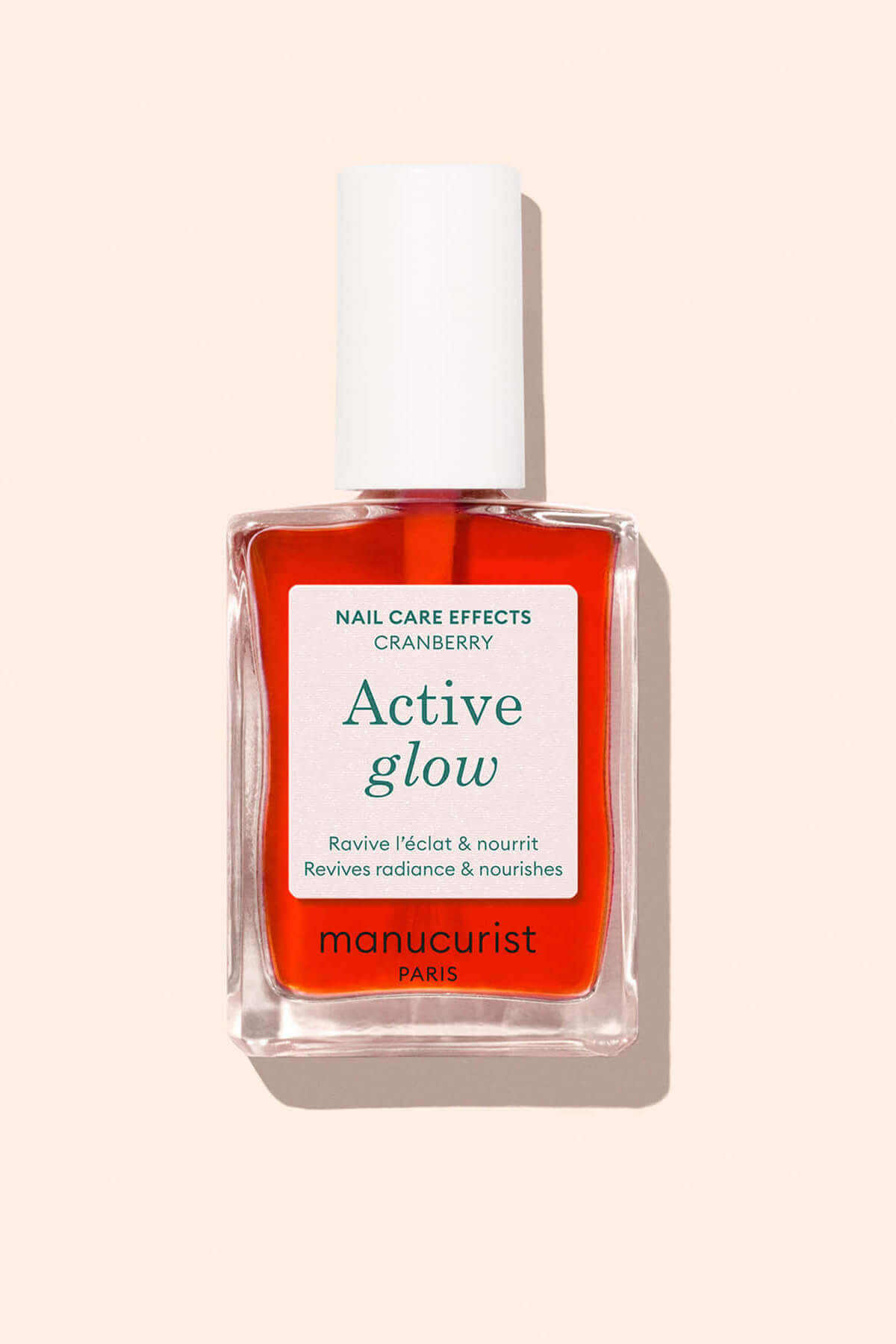
Kératine Booster, a magical treatment to effectively fight nail fatigue.
Caring for Your Cuticles
A cut or poor cuticle care can also allow water and bacteria infiltration, sometimes harmful to the matrix. These very fragile small skins are often neglected, yet their care is essential.
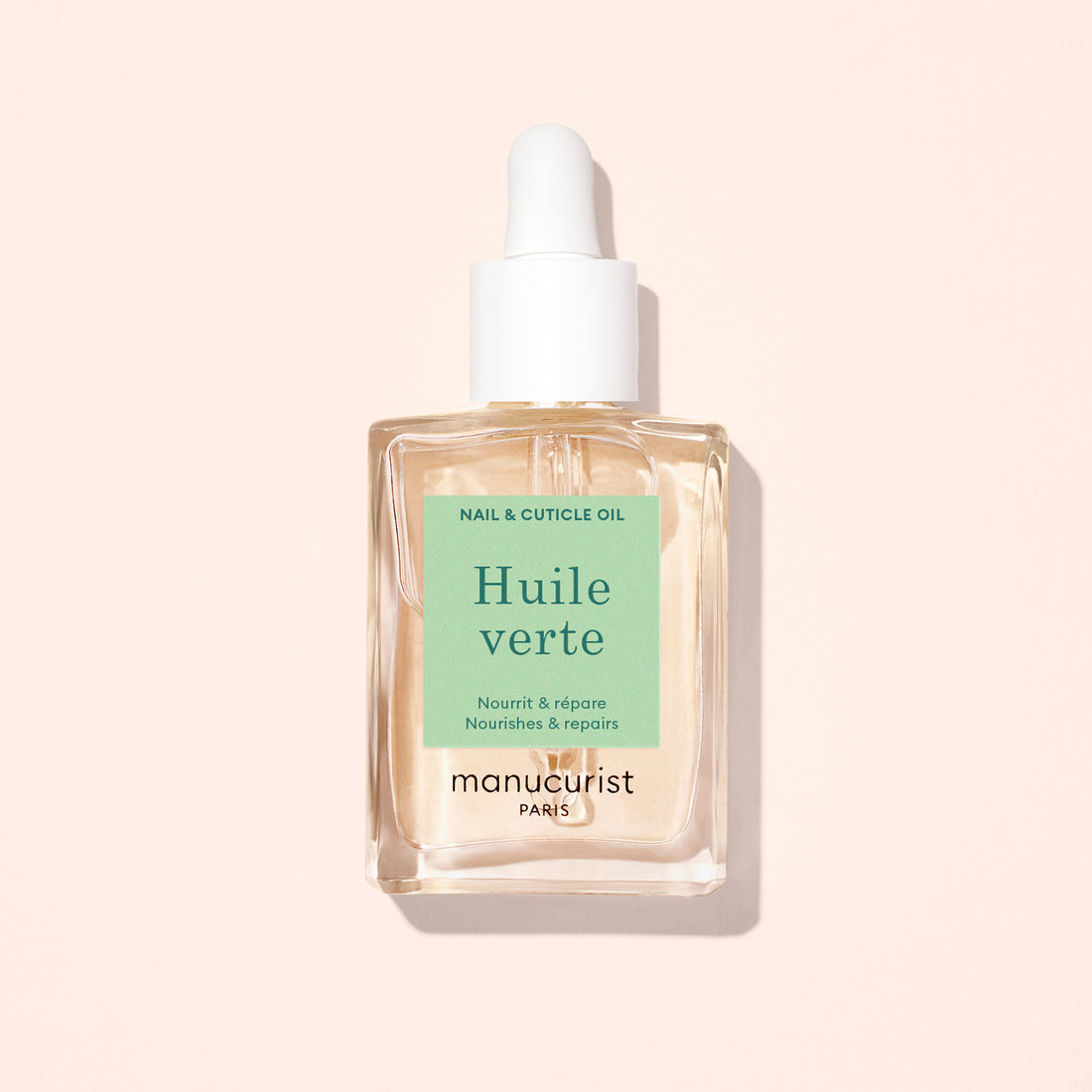
Regularly nourishing them with cuticle oil or balm prevents drying, helps regenerate and strengthen them.
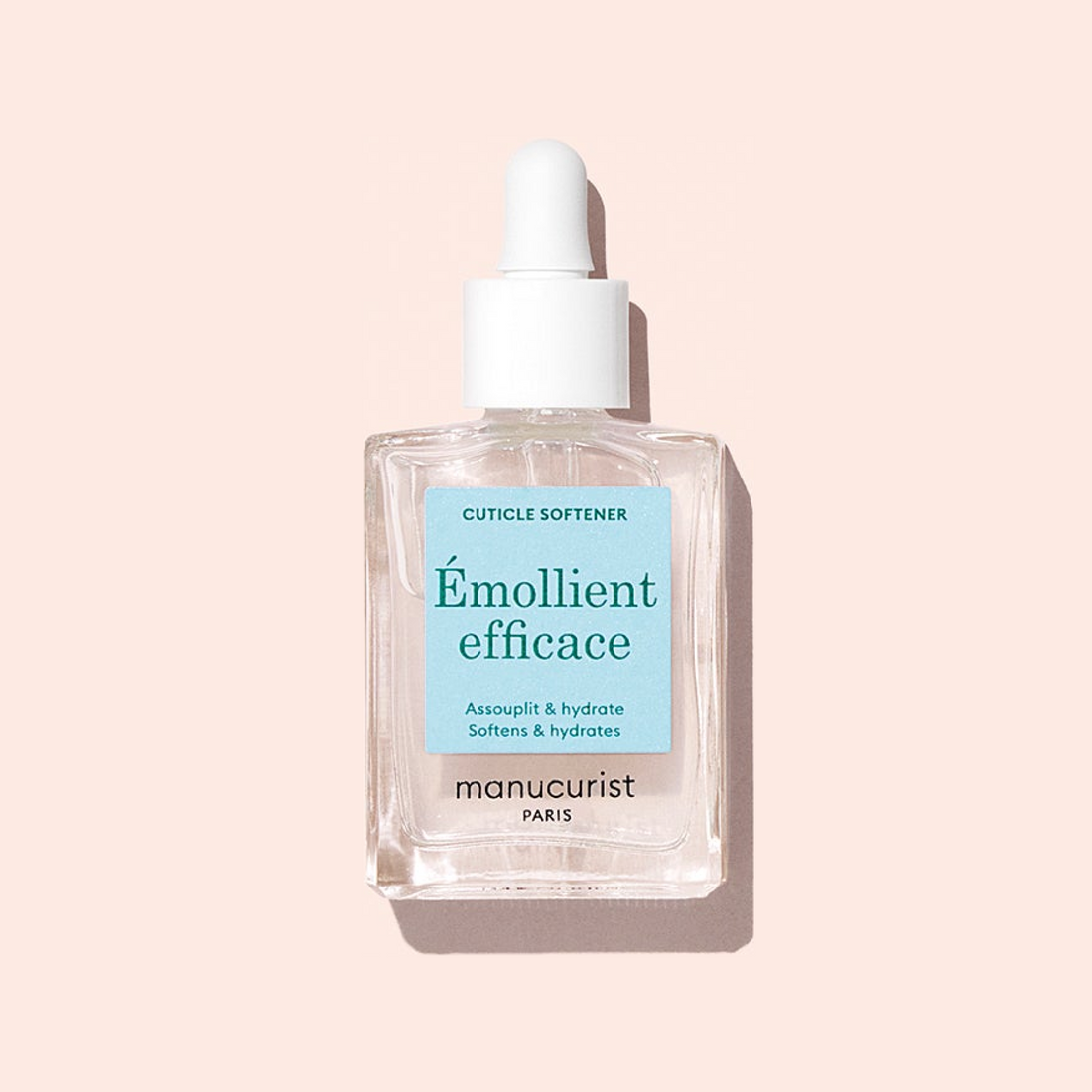
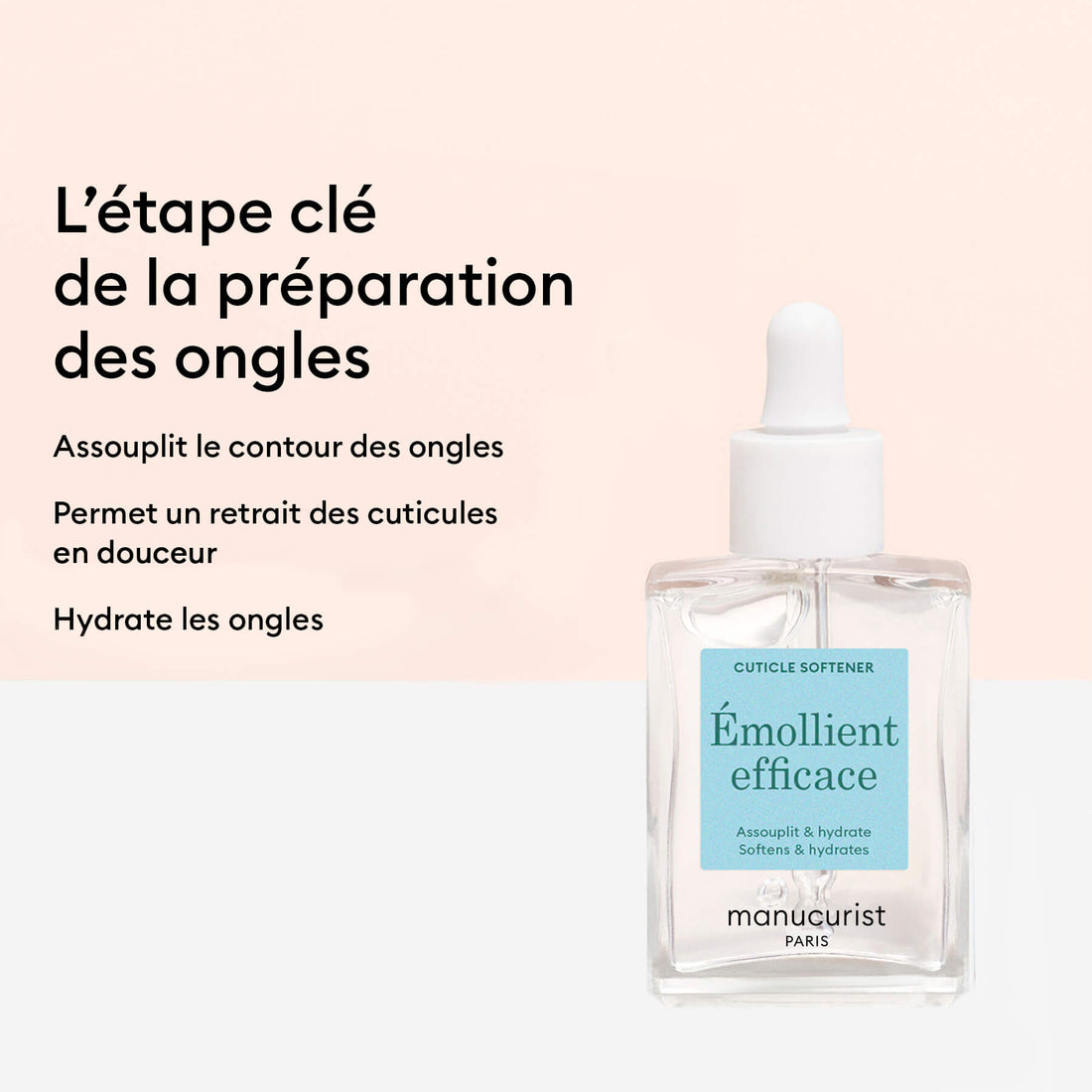
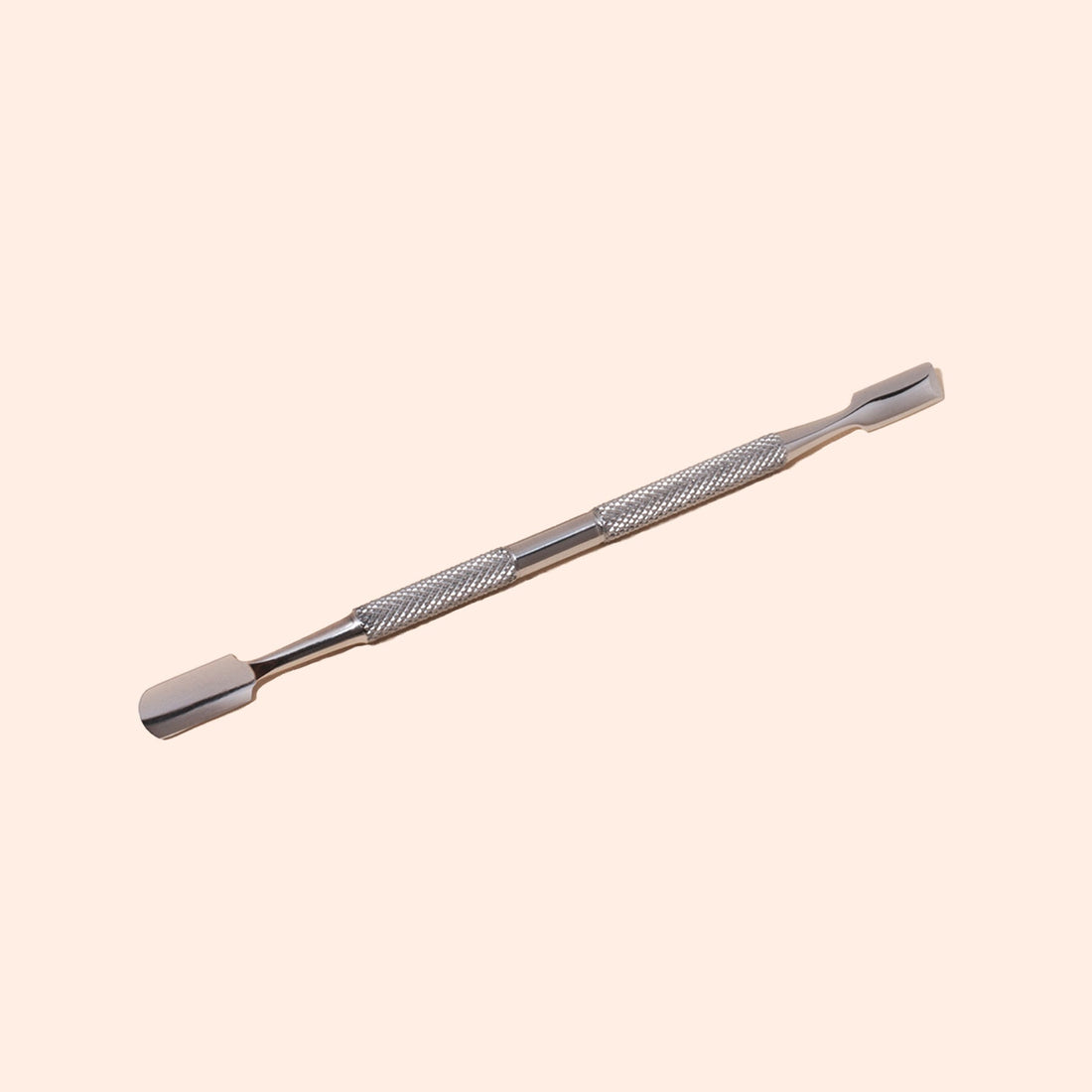
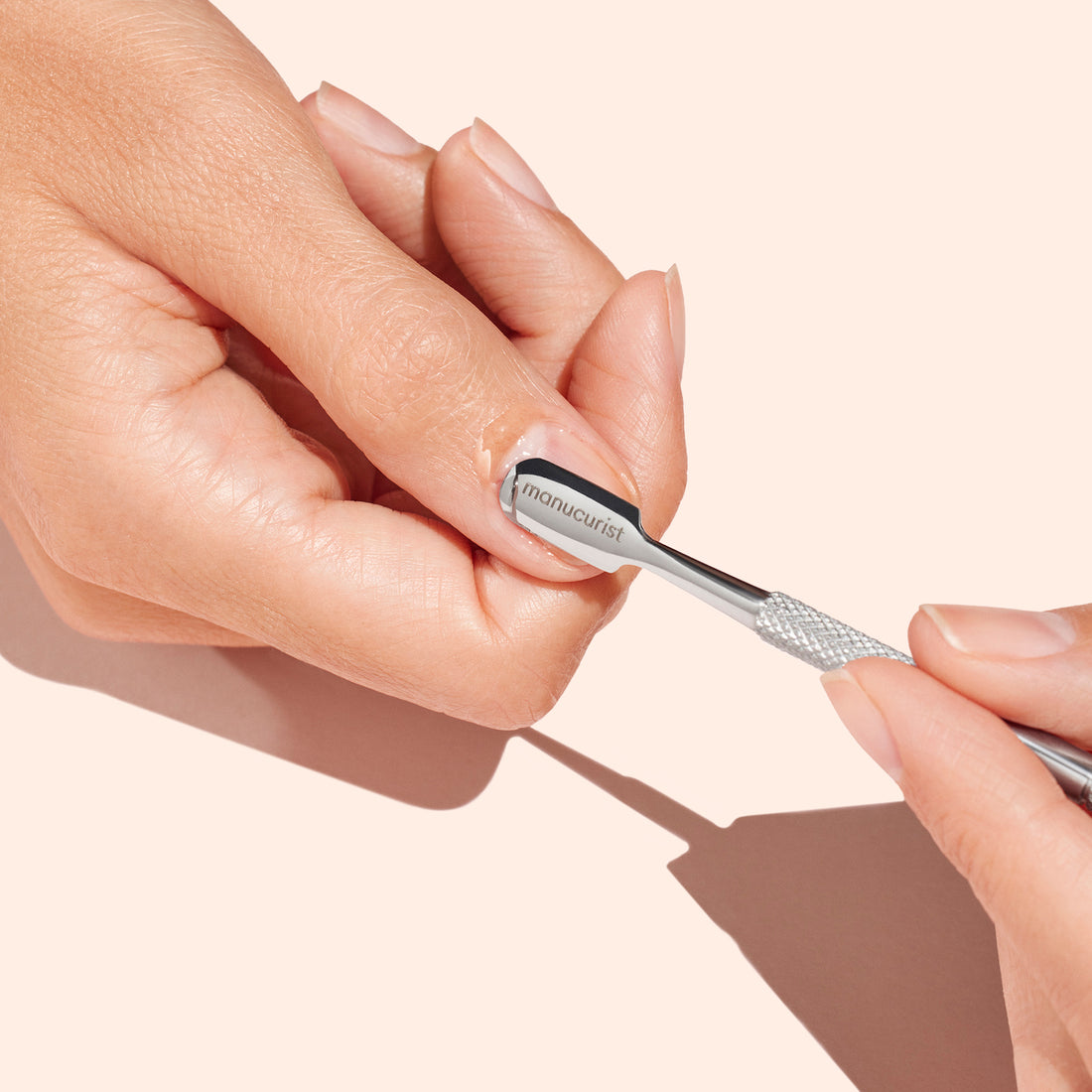
Before a manicure, it is highly recommended to treat cuticles by applying a bit of emollient to soften them before gently pushing them back without damaging them using a cuticle pusher.

Find everything you need to treat cuticles and prepare nails in our Nail Preparation Set.
Strengthening and Hydrating the Nail Plate
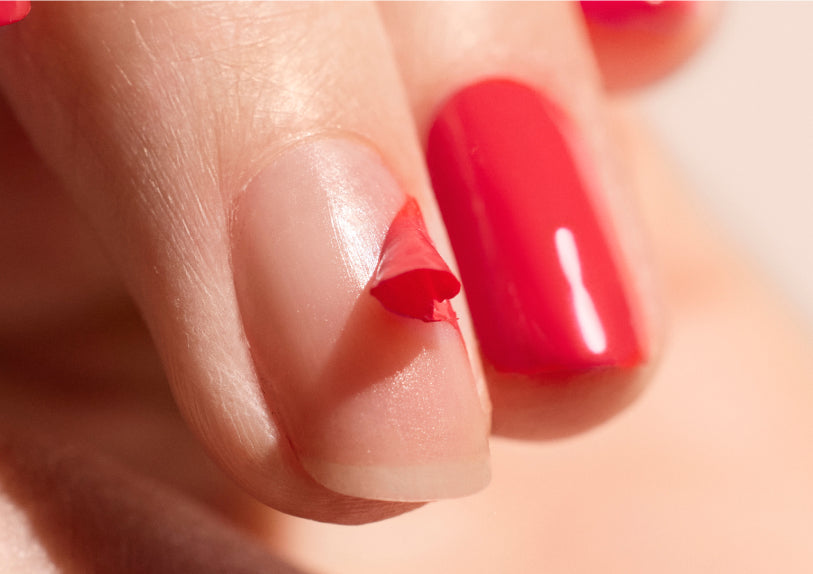
Temperature variations, overexposure to moisture, repeated applications of semi-permanent polish, and the use of acetone-based removers are all factors that contribute to weakening and damaging nails.
It is therefore important to hydrate, nourish, and protect them with products suited to their nature and type. Like our skin, each nail has its particularities and deserves appropriate care. Don’t know your nail type? Take an online diagnosis to discover your personalized routine in just a few clicks.
6 Tips for Healthy Nails
Finally, let’s not forget that healthy nails also mean better tenue for your polishes. So keep these tips in mind to be sure to care for them effectively:
- Maintain a healthy diet and rely on preventive treatments for optimal growth.
- Always carry something to regularly hydrate and nourish your nails and cuticles. Remember that the matrix also absorbs their active ingredients to strengthen itself and boost keratin production.
- Adopt a sustainable and reasonable manicure routine. Favor vegan and bio-sourced polish formulas, such as Green™ polishes and Green Flash™ which apply easily and remove without damaging the nail plate. Alternate polish applications with treatment courses to allow your nails to regain their natural balance.
- Wear protective gloves to avoid shocks and exposure to moisture or harsh chemicals.
- Avoid using your nails as tools or biting them.

Nourish, hydrate, protect: 3 basic rules for strong nails and a flawless manicure.
The nail matrix thus plays a central role in the health and growth of your nails. As the keratin production center, it determines the quality, strength, and appearance of the nail plate. Taking care of it daily by protecting the cuticles, hydrating the plate, and favoring treatments rich in nourishing active ingredients supports its proper function and promotes healthy, regular growth. With an adapted routine, you provide the nail matrix with ideal conditions to produce strong, smooth, and naturally radiant nails ✨